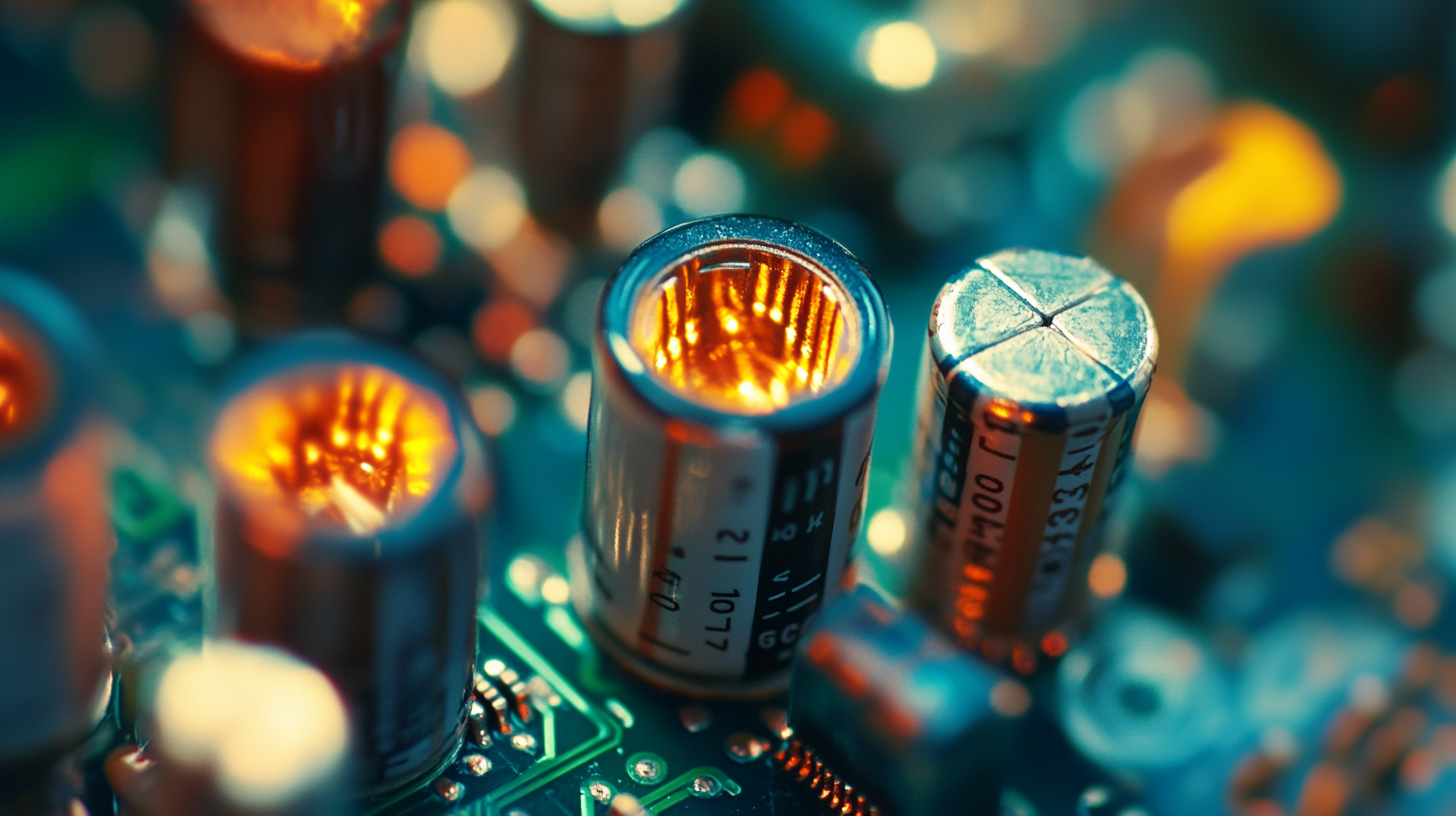
You know, when it comes to electronic components, picking the right resistors and Capacitors is really abig deal—like, you can't underestimate their importance. With 2025 just around the corner, it’s more crucial than ever to grasp these basic components because they really make a difference in circuit performance and can help unlock the full potential of electronic designs.
At Hua Sheng Bo Ye (Shenzhen) Technology Co., Ltd., we’re all about providing genuine, brand-new products. We’ve built solid partnerships with top manufacturers and brands, so you can trust what you’re getting. Our tech R&D and quality control teams work tirelessly to not just meet, but actually exceed what our clients expect from us.
In this blog, we’re diving into the latest trends and sharing some handy tips for choosing the best resistors and capacitors. Our goal? To help engineers and designers like you get the absolute best performance out of your circuits.
Understanding Resistor and Capacitor Specifications for Optimal Circuit Design
You know, when you're diving into circuit design, really getting a grip on the specs of resistors and capacitors is super important if you want everything to run smoothly. Resistors, for example, are key players when it comes to managing voltage and current. Their values can seriously impact how the circuit behaves. A little variation in resistance can lead to some big differences in signal processing and overall stability, especially in those sensitive applications like oscillators. Take the RC phase shift oscillator, for example—engineering reports have shown just how much precise resistor values can tweak the frequency and output characteristics. It just goes to show that choosing the right components is critical to making sure everything operates reliably.
As for capacitors, they're vital for energy storage and filtering within circuits. I mean, those microfabricated vibrating diaphragm variable capacitors that pop up in discussions about cutting-edge sensor tech are a great example of how innovative designs can really up your game. When you fine-tune capacitance, those little components can make a huge difference in how responsive and accurate the circuit can be. And let’s not forget about optimal designs—like those inspired by evolutionary techniques, such as the symbiotic organisms search algorithm, which are all about maximizing efficiency in capacitor applications. So, yeah, resistors and capacitors are essential for building circuits that not only work well but also adapt to the crazy demands of modern technology.
Unlocking Potential with Best Resistors and Capacitors for Enhanced Circuit Performance
| Component Type | Specification | Value | Tolerance (%) | Application |
| Resistor | Ohmic Value | 10kΩ | 5 | Voltage Divider |
| Capacitor | Capacitance | 100µF | 10 | Smoothing |
| Resistor | Power Rating | 1W | 5 | Current Limiting |
| Capacitor | Voltage Rating | 50V | 10 | Decoupling |
| Resistor | Temperature Coefficient | | 1 | Precision Applications |
Key Parameters Impacting Circuit Performance: Resistance, Capacitance, and Tolerance
Hey there! So, when we're talking about designing circuits that really pack a punch, it's super important to get your head around the basics of resistors and capacitors. You see, resistance plays a huge role in how much current flows through a circuit, and that can really affect stuff like signal quality and how much power you're using. Then there's capacitors, which are like little energy sponges—they store and release energy, shaping things like the circuit's frequency response and how stable it is overall. Oh, and let's not forget about tolerance! This refers to the allowable variation in resistance and capacitance values, and trust me, it’s crucial for ensuring your circuit behaves reliably in different situations.
Now, when you're picking out resistors, keep an eye on the temperature coefficient and power rating. You want to make sure they can handle those pesky changes in conditions without throwing things off too much. And for capacitors, going for ones with low equivalent series resistance (ESR) is a smart move, especially if you're diving into high-frequency stuff—this helps cut down on energy losses. Always remember to factor in those tolerance levels during the design phase, so your circuit can perform like a champ in its intended application.
You can really see how resistance, capacitance, and tolerance work together in things like AC line filters. Here, Electrochemical Capacitors are key players in filtering out noise and keeping things stable. Getting a good grasp of these parameters can help engineers bring out the best in their circuits, boosting performance and reliability across the board. Pretty neat, huh?
Analyzing the Role of Temperature Coefficients in Resistors and Capacitors
You know, temperature coefficients really matter when it comes to how well resistors and capacitors perform. They have a big impact on the stability and reliability of circuits, no matter where they're used. For resistors, the temperature coefficient tells us how much the resistance value changes when the temperature fluctuates. If you're looking for high precision resistors, you’ll find some with a super low temperature coefficient of just around ±5 ppm/°C. This helps to keep drift to a minimum and makes sure they perform consistently, even when temperatures are all over the place. A recent report from the International Electrotechnical Commission pointed out that resistors with lower temperature coefficients can really boost the longevity and efficiency of circuits. This is especially crucial in fields like aerospace and medical devices, where every detail matters.
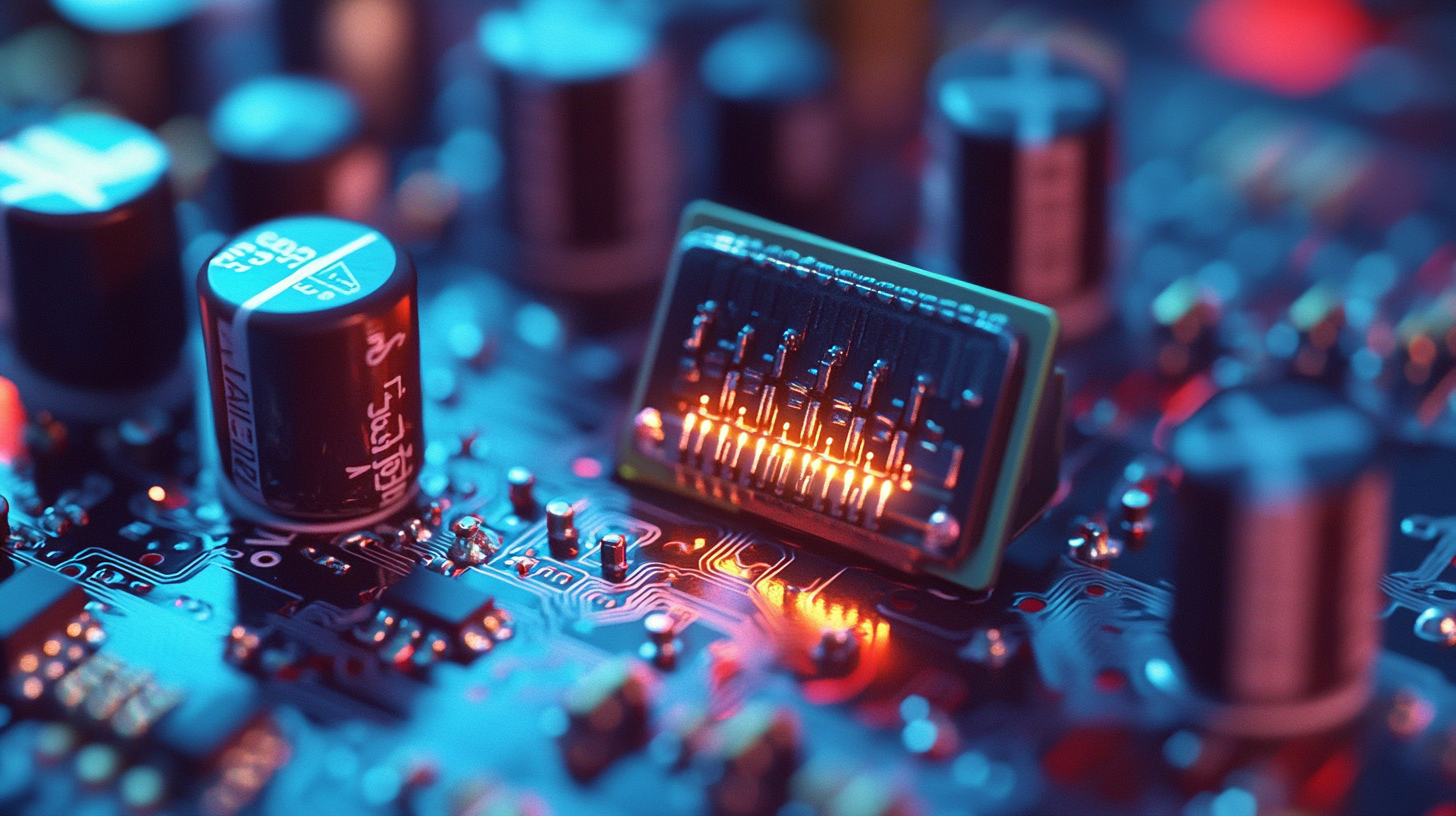
Now, when we talk about capacitors, the temperature coefficient is key for keeping capacitance stable, especially with ceramic capacitors, which are pretty common in electronic circuits. There was this study in the Journal of Electrochemical Society that showed capacitors with a temperature coefficient of about ±15% can start to drift quite a bit at higher temperatures, which isn’t great for signal integrity and overall circuit performance. So, opting for high-quality capacitors with tighter tolerances and better temperature stability can really save the day for engineers aiming for reliable performance in sensitive applications. This just goes to show how important it is to really look at the temperature coefficients of both resistors and capacitors when designing circuits. It can make a world of difference in getting the best performance out of them under various operating conditions.
Maximizing Signal Integrity: Choosing the Right Resistors and Capacitors for High-Frequency Applications
When it comes to high-frequency applications, the kind of resistors and capacitors you pick can really make a difference in signal integrity and how well your circuit performs. There’s some interesting research out there that suggests using low equivalent series resistance (ESR) capacitors can actually help reduce signal distortion and boost transient response. Like, there’s this report from the IEEE that mentions capacitors with ESR values as low as 1 mΩ can really enhance efficiency in RF circuits. It’s all about minimizing those pesky losses that happen at higher frequencies. This is super important for stuff like mobile communication and high-speed data transfer, where keeping the signal intact is everything.
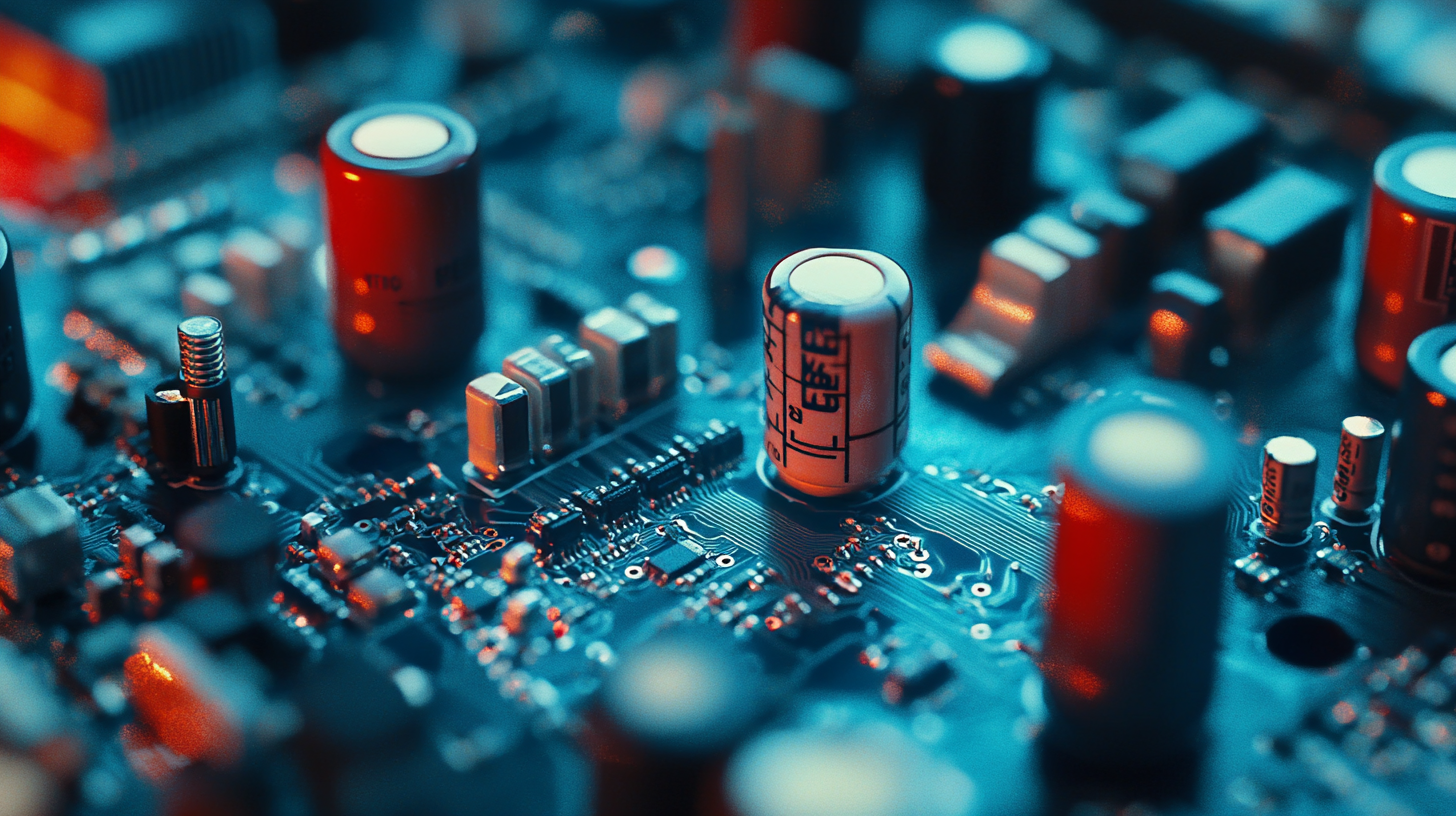
And it's not just about the capacitors; you've got to pay close attention to the resistors too! Thin-film resistors are pretty much the go-to choice in high-frequency circuits. They’re great because they produce minimal noise and have fantastic stability, plus they come with low self-inductance. The International Journal of Electronics has data showing that using these thin-film resistors helps maintain a stable impedance across a bunch of frequencies. This stability is key to reducing reflections and making sure signals stay accurate. So, by picking the right mix of capacitors and resistors, you can seriously boost the performance and reliability of your high-frequency projects.
Evaluating Lifespan and Reliability: Industry Standards for Resistors and Capacitors
So, when you're diving into the world of high-performance circuits, one of the key things to keep in mind is the lifespan and reliability of components like resistors and capacitors. These guys really matter! Industry standards lay out a good roadmap for assessing these components, helping to ensure they can handle the tough conditions they’ll be exposed to in their specific applications. Take resistors, for instance—specs like MIL-PRF-55342 have pretty strict testing protocols that check how well they hold up under temperature changes, maximum voltage, and even how they cope with different environments. This gives engineers some solid peace of mind about how these components will perform over the long haul.
And let's not forget about capacitors! They’ve got their own set of reliability benchmarks too, thanks to standards like AEC-Q200, which is super important in the automotive field. This standard is all about enforcing tough requirements for temperature cycling, humidity levels, and mechanical stress tests. By sticking to these guidelines, manufacturers can make components that not only meet electrical specs but also come with that added bonus of durability and reliability. So, when you choose resistors and capacitors that have been evaluated against these standards, you’re really upping the game in terms of how well your circuit designs will perform and last.
Cost-Effectiveness in Component Selection: Balancing Quality and Budget in Circuit Design
When it comes to circuit design, picking the right components can really make or break the project—especially when you're trying to keep costs down. Sure, high-quality resistors and capacitors play a major role in keeping things stable and efficient, but let’s be real: sticking to a budget can sometimes push designers to settle for less. But savvy engineers get it—making sure you don’t overspend doesn’t have to mean you’re giving up on performance. The key is finding that sweet spot between price and reliability, so every buck you spend actually adds to the circuit’s effectiveness.
A smart move is to dive into some research on various brands and types of resistors and capacitors. You’d be surprised—there are usually budget-friendly options out there that don’t compromise on quality. For example, checking out new manufacturers or even looking into bulk buying can really help you save some cash. Plus, using simulation tools is a game-changer; they can help you foresee how different components will perform, making it easier to choose wisely. By keeping functionality and durability at the forefront during design, engineers can really enhance both performance and their budget, leading to a successful project without the frills.
Unlocking Potential with Best Resistors and Capacitors for Enhanced Circuit Performance
FAQS
: Resistors control voltage and current, directly influencing circuit behavior, stability, and signal processing, especially in sensitive applications like oscillators.
Variations in resistance can lead to significant differences in signal processing and stability, impacting the frequency and output characteristics of circuits.
Capacitors are essential for energy storage and filtering applications, enhancing circuit responsiveness and accuracy through careful tuning of capacitance.
The temperature coefficient indicates how much a resistor's or capacitor's value changes with temperature. It is crucial for maintaining stability and reliability in circuits across varying environmental conditions.
High precision resistors with low temperature coefficients (e.g., ±5 ppm/°C) ensure stable performance with minimal drift in fluctuating temperatures, enhancing circuit longevity.
Industry standards like MIL-PRF-55342 for resistors and AEC-Q200 for capacitors provide rigorous testing protocols to evaluate temperature stability, voltage limits, and environmental resilience, ensuring reliable long-term performance.
Capacitors with poor temperature stability, such as those with a temperature coefficient of ±15%, can experience significant capacitance drift at elevated temperatures, negatively affecting circuit performance and signal integrity.
Adherence to industry standards ensures that components meet stringent requirements for durability and reliability, crucial for high-performance applications such as automotive and aerospace.
By selecting resistors and capacitors that meet industry standards and have favorable temperature coefficients, engineers can significantly improve circuit performance and longevity.
These innovative designs enhance circuit functionality by enabling precise tuning of capacitance, which improves responsiveness and accuracy in various applications.