Whatsapp:8613480819877
Leave Your Message
0%

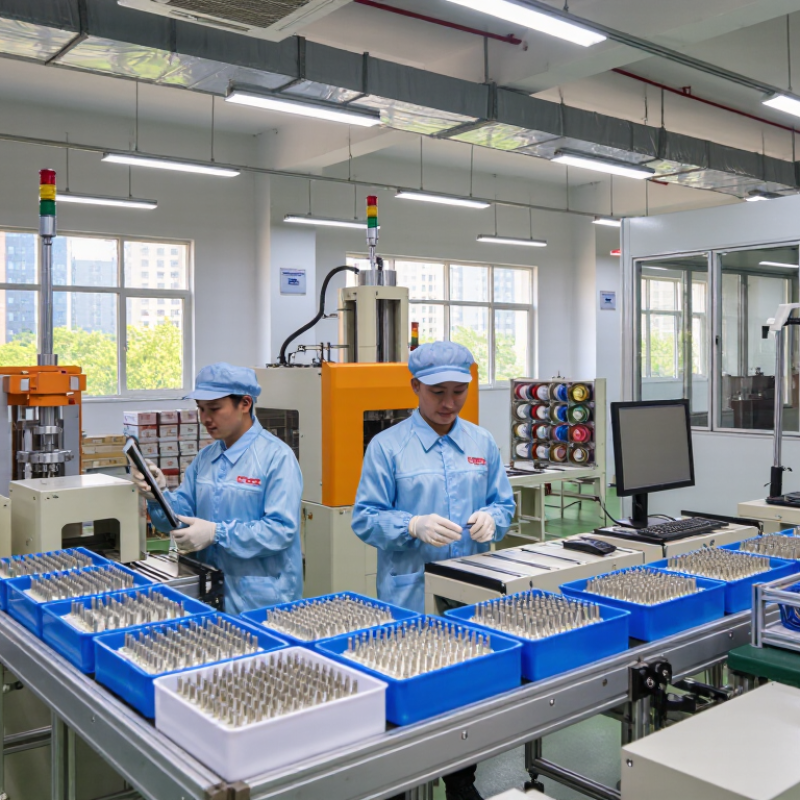
Picking reliable Molex Connector manufacturers and suppliers in China? It’s not just about lining up catalog prices. This guide looks at experienced companies that serve electronics, automotive, industrial, and communication applications. A lot of them are based in Shenzhen, Dongguan, Kunshan, Ningbo, and other nearby manufacturing hubs. Their capabilities might include stamping, injection molding, terminal plating, cable assembly, and custom connector production.

The best suppliers are usually the ones that can explain their process clearly. They’ll share material specs, dimensional reports, crimp-force data, and batch traceability. You want to see ISO 9001 systems, controlLED production records, and testing equipment that actually fits your application. Practical experience matters too. Factory audits can show you things like storage conditions, operator training, inspection points, and real production capacity. And a reliable supplier should be able to talk about RoHS, REACH, UL requirements, and export documentation without giving you vague promises.

It’s also worth asking: is the company an authorized Molex distributor, a contract manufacturer, or an independent compatible-parts producer? That difference affects branding, warranty expectations, and technical support. Always verify samples before approving mass production. Check terminal fit, contact resistance, retention force, plating thickness, and how parts perform after temperature or vibration testing. Don’t trust polished websites alone. That limitation matters. Some suppliers show off impressive facilities but outsource critical processes. Others have great engineering but weak communication or inconsistent delivery. We’ll compare these practical strengths and weaknesses, while keeping in mind that no supplier is perfect. In the end, your choice should come down to verified quality, transparent communication, realistic lead times, and what your product actually needs.
Top Molex Connectors Manufacturers and Suppliers in China?

What Are Molex Connectors and Why Are They Used in China?

Molex Connectorsare compact electromechanical components that join wires, circuit boards, Sensors, and power systems. They commonly use crimped terminals, locking housings, and defined contact pitches. In a factory cabinet, one connector may carry low-voltage signals, while another handles motor power. This modular structure simplifies assembly and maintenance. It also reduces loose wiring near moving equipment.

China uses these connectors extensively because its electronics, automotive, appliance, and industrial automation sectors require repeatable wiring. MarketsandMarkets estimates that the global connector market could reach about USD 116.5 billion by 2028, with a 5.6% compound annual growth rate from 2023. Grand View Research reports similar expansion, driven by electric vehicles, data equipment, and factory automation. These trends support continued demand from Chinese manufacturers and component suppliers. Yet growth does not make every connector suitable.

Selection requires more than matching pin count. Engineers should check rated current, voltage, contact resistance, operating temperature, mating cycles, and ingress protection. IEC 60512 testing can help verify electrical and mechanical performance. Suppliers should also provide traceable material records and production inspection data. A cheap housing can crack during repeated maintenance. A poor crimp may heat slowly, then fail under vibration. Small detail, serious consequence. The choice is not always elegant, and field conditions can expose assumptions that laboratory tests miss. Salt spray, dust, tight bending space, and rushed assembly deserve practical evaluation before volume purchasing.

How to Identify Leading Molex Connector Manufacturers in China

Identifying leading Molex connector manufacturers in China requires more than comparing catalog prices. Start by confirming whether the supplier produces key parts in-house, including stamped terminals, molded housings, and plated contacts. A factory with documented process control can explain crimp-force measurements, cavity maintenance, and material batches. During a visit, inspect production lines, sample records, and warehouse labeling. Small details matter.

Ask for third-party test reports and recent inspection data. Reliable manufacturers should provide evidence for contact resistance, insulation performance, vibration endurance, and mating-cycle tests. They should also explain how defects are isolated before shipment. Suppliers experienced with TE Connectors and similar interconnection products may understand demanding specifications, but experience alone is not proof. A polished website proves little. I have seen capable factories lose consistency after changing raw-material vendors.

Tips: Request pre-production samples, not only showroom pieces. Check terminal fit with your actual cable size. Review ISO 9001 records, traceability codes, tooling ownership, and corrective-action reports. Compare three suppliers using the same test conditions. Ask uncomfortable questions about capacity during peak seasons. A low quotation can hide unstable plating, weak packaging, or limited engineering support. Leave room for doubt, and verify every important claim.

Key Product Categories Offered by Chinese Connector Suppliers

Key Product Categories Offered by Chinese Connector Suppliers

Chinese connector suppliers typically organize their portfolios around application needs. Wire-to-board connectors support control panels, appliances, and compact industrial equipment. Wire-to-wire types suit harness extensions and field repairs. Board-to-board connectors are common in communication modules, automation controls, and embedded devices. MarketsandMarkets estimated the global connector market at about USD 84 billion in 2024, with continued growth driven by electronics, vehicles, and industrial automation.

Flexible flat cable and flexible printed circuit connectors deserve close attention. Their low profile helps designers save space inside displays, meters, and portable equipment. Circular connectors serve sensors, motion systems, and outdoor machinery. Sealed automotive and industrial connectors add protection against moisture, dust, vibration, and temperature changes. In practical supplier audits, I check contact plating, terminal retention, insertion cycles, and sample consistency before comparing prices.

Chinese factories also offer customized housings, cable assemblies, overmolded connectors, and high-current terminals. These options can shorten assembly time, but customization may create tooling costs and longer validation schedules. A 2023 industry report from Grand View Research valued the global electronic connectors market at more than USD 70 billion and identified miniaturization as a major development trend. The data is useful, but not perfect for every niche. Some suppliers still provide broad catalog claims without enough test evidence. Ask for dimensional reports, material certificates, electrical test results, and traceable production samples. Small details matter.

Top Molex Connectors Manufacturers and Suppliers in China? - Key Product Categories Offered by Chinese Connector Suppliers

Product Category Common Pitch Range Typical Contact Arrangement Typical Current Range Common Applications Common Supplier Capabilities
Wire-to-Board Connectors 1.00–6.35 mm Single-row or dual-row; vertical and right-angle versions Approximately 1–15 A per circuit, depending on terminal size and wire gauge Control boards, appliances, industrial equipment, lighting and consumer electronics Stamped terminals, housing molding, polarization, board locks and optional pre-assembled cable sets
Wire-to-Wire Connectors 2.00–6.35 mm Inline, sealed or unsealed multi-position housings Approximately 3–30 A per circuit, subject to design and derating Industrial wiring, battery systems, lighting assemblies and equipment harnesses Terminal crimping, keying, secondary locks, strain relief and cable overmolding
Board-to-Board Connectors 0.35–2.54 mm Header, receptacle, mezzanine and stacking configurations Typically below 3 A per contact for compact fine-pitch designs Embedded systems, telecom equipment, industrial controllers and consumer devices Fine-pitch tooling, coplanarity control, gold-plated contact areas and customized stack heights
FFC and FPC Connectors 0.30–1.00 mm Top-contact, bottom-contact and dual-contact styles Generally up to approximately 1 A per contact, depending on pitch and temperature rise Displays, printers, cameras, automotive electronics and compact control panels Flip-lock or slide-lock actuators, low-profile molding and automated assembly support
Automotive Connectors 0.64–6.30 mm terminal systems Single-row, multi-row, sealed and high-temperature designs Approximately 3–40 A per circuit, depending on terminal and cable size Body electronics, lighting, sensors, infotainment and power distribution CPA and TPA locks, silicone seals, cavity plugs, vibration resistance and traceability systems
Circular Connectors Contact sizes commonly supporting 2–24 positions Screw-lock, bayonet-lock or push-pull coupling Approximately 2–25 A per contact, depending on insert and contact size Sensors, factory automation, test equipment, medical devices and outdoor systems IP-rated sealing options, keyed inserts, cable glands, backshells and ruggedized shells
Power Connectors 3.96–12.70 mm and larger high-power interfaces Single-position, multi-position and busbar-compatible designs Approximately 10–150 A per circuit, subject to conductor size and thermal design Power supplies, battery packs, servers, industrial drives and energy-storage equipment High-current terminals, touch-safe housings, polarization, temperature monitoring and custom busbar solutions
Coaxial and RF Connectors Varies by interface; commonly 50 Ω or 75 Ω systems Board-mount, cable-mount, right-angle and bulkhead configurations Usually low-current signal transmission rather than power distribution Wireless equipment, antennas, measurement instruments, networking and navigation systems Impedance-controlled design, plated contact surfaces, cable termination and RF testing
USB, HDMI and Data Connectors Defined by the applicable interface specification Plug, receptacle, board-mount and cable-assembly formats Signal-focused; power capability depends on the interface version and implementation Computers, displays, charging equipment, industrial terminals and consumer electronics High-cycle contacts, shielding, EMI control, overmolding and signal-integrity testing

Note: Electrical ratings, operating temperature, sealing level and compliance depend on the specific connector design, terminal, wire size, PCB layout and applicable test conditions. Supplier datasheets should be verified before selection.

Quality Standards and Certifications for Molex-Compatible Connectors

When sourcing Molex-compatible connectors from China, certification evidence should come before price. Reliable suppliers normally maintain ISO 9001 systems, while automotive projects may require IATF 16949. These standards support process control, traceability, and corrective action. They do not guarantee perfect products.

In practical audits, inspect crimp samples, terminal plating, housing dimensions, and retention force. Ask for material reports and test records from accredited laboratories. RoHS and REACH declarations help confirm restricted-substance compliance. UL recognition or IEC-based testing may also matter for specific applications. Verify each certificate’s scope, expiry date, factory address, and issuing body. A document copied from another facility is a serious warning sign. I have seen suppliers present valid certificates that did not cover the requested connector line. That detail is easy to miss.

Tips: Request three production samples, not one. Measure cavity fit with the mating part. Perform pull-force tests on crimped wires. Check lot codes on cartons and labels. For searches involving Te Connectivity Amp Connectors, compare drawings carefully rather than relying on similar photos. Ask whether tooling changes require customer approval. Keep written inspection criteria before placing an order. One small mistake can become a costly field return.

How to Evaluate Chinese Molex Connector Suppliers

When evaluating Chinese suppliers for Molex-style connectors, inspect evidence before comparing prices. Grand View Research valued the global electrical connectors market at about USD 84.8 billion in 2023. This growth attracts capable factories and inexperienced traders. Request factory registration, ISO 9001 certification, process-flow charts, and recent audit records. A real manufacturer should explain stamping, plating, molding, and final inspection clearly. Ask for cavity dimensions, contact resistance, insertion force, and mating-cycle results. These details reveal practical engineering control.

Sample approval should follow your actual cable, housing, and operating conditions. Request material certificates for copper alloys, plastics, and plating thickness. IEC 60512 testing can help verify electrical and mechanical performance. For automotive applications, IATF 16949 experience deserves closer attention. MarketsandMarkets projects continued growth in the automotive connector sector, driven by vehicle electrification. However, projected growth does not prove supplier competence.

I would also compare five production lots, not one attractive sample. Small inconsistencies often appear later. The “Te Connectivity Connectors” keyword may appear during sourcing research, but technical compatibility must guide the decision.

Tips: Visit the production line by video or in person. Watch whether operators use calibrated gauges. Check barcode traceability on cartons and reels. Ask for a corrective-action report from a previous failure. Confirm lead times during peak seasons, including tooling delays. Do not accept vague claims such as “100% tested.” Define the test method, sampling level, and acceptance limits in writing. One weakness remains easy to miss: a supplier may pass laboratory tests but struggle with volume consistency. Trial orders and independent inspection reduce that risk.

Sourcing, Pricing, and Export Considerations in China

China has many capable manufacturers and suppliers of wire-to-board, board-to-board, and cable connectors. The strongest partners provide stable dimensions, consistent plating, and complete technical documentation. Request samples before discussing large orders. Check terminal retention, contact resistance, housing material, and mating cycles. Small differences can cause assembly delays.

Pricing depends on material, cavity count, tooling, packaging, and order volume. A low unit price may exclude molds, testing, labels, or export packaging. Ask for a detailed quotation with tooling ownership, minimum order quantity, lead time, and payment terms. For repeat orders, confirm whether copper and resin prices can change. My practical concern is simple: a cheaper quote is not always cheaper after rework.

Tips: Compare at least three suppliers. Visit the factory, or arrange a verified video audit. Ask for production photos and recent inspection records. Confirm Incoterms, shipping routes, HS classification, and required export documents. Test samples under your real temperature and vibration conditions. Keep written approval for every specification. Some buyers overlook packaging strength, especially during sea transport. That mistake can damage terminals before installation. Supplier performance should be reviewed after each shipment, not only during the first purchase.

FAQS

How can I tell whether a Chinese connector supplier is a real manufacturer?

Ask whether it produces terminals, housings, and plated contacts in-house. Request factory registration and process-flow records. Visit the production line, physically or by video. A polished website proves little.

What production details should a reliable supplier explain?

The supplier should describe stamping, plating, molding, and final inspection. Ask about crimp-force measurements and cavity maintenance. Review material batches and warehouse labels. Small details matter.

Which documents help verify supplier quality?

Request ISO 9001 records, recent audits, and material certificates. Check tooling ownership and traceability codes. Ask for corrective-action reports from previous failures. Do not accept vague claims.

What tests should connector samples undergo?

Review contact resistance, insulation performance, vibration endurance, and mating-cycle results. Ask for the test method, sampling level, and acceptance limits. Independent inspection can confirm important claims. One sample is not enough.

How should I evaluate pre-production samples?

Use your actual cable size, housing, and operating conditions. Check terminal fit, insertion force, and contact stability. Request samples from production tooling, not showroom pieces. Perfect samples can mislead.

How can I compare several suppliers fairly?

Compare at least three suppliers under identical test conditions. For stronger evidence, review five production lots. Record dimensions, plating thickness, defects, and delivery times. Keep the comparison practical.

Why can a low quotation create problems later?

Low prices may hide unstable plating or weak packaging. They may also reflect limited engineering support. Ask about raw-material changes and peak-season capacity. Cheap is not always efficient.

How can I check whether quality remains stable during large orders?

Request trial orders before committing to high volumes. Inspect carton labels, reels, and barcode traceability. Confirm tooling delays and seasonal lead times. A supplier may pass testing yet struggle with consistency.

Conclusion

Molex Connectors are widely used in electronics, automotive systems, industrial equipment, telecommunications, and consumer devices because they provide secure, organized, and efficient connections between wires, circuit boards, and components. In China, manufacturers and suppliers commonly offer wire-to-wire, wire-to-board, board-to-board, terminal, housing, header, and custom cable assembly products. Buyers should assess a supplier’s production capacity, engineering expertise, tooling capabilities, material control, and experience with international orders.

Quality is a key consideration when sourcing from China. Reliable suppliers should maintain consistent dimensional accuracy, electrical performance, and material traceability while supporting recognized quality and safety certifications. Buyers should also compare samples, testing reports, production lead times, minimum order quantities, packaging, payment terms, and after-sales support. Pricing should be evaluated together with tooling costs, shipping arrangements, import responsibilities, and long-term supply stability. Careful supplier verification, clear technical specifications, and pre-shipment inspection can help companies reduce risks and build dependable sourcing partnerships.
Lila

Lila

Lila is a distinguished marketing professional at Huasheng Boye (Shenzhen) Technology Co., Ltd., where she showcases her extensive expertise in the tech industry. With a keen understanding of the company's innovative products, Lila plays a pivotal role in enhancing the brand's visibility through......
Previous China Top RF Capacitors Manufacturers for Global Buyers