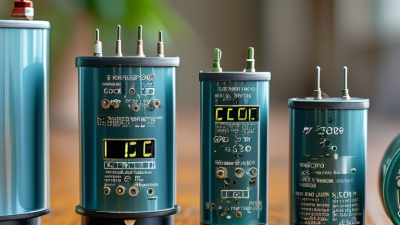
In the fast-moving world of electronic components, Capacitors And Inductors really sit at the core. As the industry keeps changing, it’s more important than ever for global buyers to get a handle on these parts. I mean, Dr. Sarah Jennings—an expert electrical engineer over at Tech Solutions—puts it nicely: "The future of electronics depends heavily on how well we understand and use capacitors and inductors." That’s a pretty clear sign of just how crucial they are in today’s tech scene.
Basically, capacitors and inductors are essential for stuff like storing energy and filtering signals. You can find them in pretty much anything—smartphones, electric cars, you name it. And, honestly, how reliable and efficient they are? That’s gonna shape upcoming trends, especially as we hit 2026. It’s super important for buyers to stay on top of new innovations and what the market is demanding. Industry leaders will need to adapt, whether it’s new manufacturing methods or better materials.
Now, with the global market constantly shifting, there are always challenges to watch out for. Things like quality issues, prices, or supply chain hiccups come into play. Building solid relationships with trustworthy suppliers? That’s more important than ever. If you really want to succeed in this competitive scene, understanding the ins and outs of capacitors and inductors is key. Every choice made today is going to ripple into the future — so it pays to be savvy about it.
Top Trends in Capacitor and Inductor Technologies for 2026
The landscape of capacitor and inductor technologies is evolving rapidly, with predictions pointing to significant trends by 2026. Recent industry reports highlight a projected global market growth for capacitors at a CAGR of 8.5% from 2021 to 2026. Factors driving this growth include the demand for energy-efficient devices and the rise of renewable energy sources. Innovations in materials, such as graphene-based capacitors, promise to enhance energy storage and efficiency.
Inductors are also witnessing technological advancements. The demand for high-frequency inductors is increasing, particularly in telecommunications and automotive sectors. Reports project a steady growth in this segment, fueLED by the rollout of 5G technology. Inductors with improved thermal stability and miniaturization are especially sought after in compact electronic devices.
Understanding market demands is crucial. Industry players should stay informed about trends, as consumer expectations change rapidly. Resistors Capacitors And Inductors are integral to electronic design. Investing in research and development can ensure alignment with emerging market needs. Additionally, companies should critically assess their approaches. Flexibility and innovation might be necessary to maintain competitiveness in a dynamic market.
Key Applications Driving Demand for Capacitors and Inductors
The increasing demand for capacitors and inductors in 2026 is fueled by various key applications. Electronic devices, renewable energy systems, and automotive advancements drive this trend. Capacitors play a crucial role in stabilizing voltage, while inductors help filter signals in electrical circuits. Both components are essential for efficient operation across industries.
Emerging technologies such as electric vehicles and smart grids rely heavily on these components. The need for energy storage and power conversion in electric vehicles has intensified the demand for high-performance capacitors. Similarly, inductors assist in enhancing the functionality of electric motors and charging systems.
When choosing components, consider working closely with professionals. This can help you understand the specific applications for your product. Ensure you are engaging with suppliers who specialize in OEM resistors, capacitors, and inductors. Custom solutions may greatly improve performance and reliability. Additionally, be aware of the potential challenges. Misalignments in specifications could hinder product development. Do thorough evaluations to avoid costly mistakes.
Top Capacitors And Inductors for Global Buyers in 2026
| Component Type | Key Applications | Market Demand (Units) | Growth Rate (%) | Region |
| Capacitors | Consumer Electronics | 200 million | 5 | North America |
| Capacitors | Automotive Electronics | 150 million | 7 | Europe |
| Inductors | Telecommunications | 120 million | 4 | Asia-Pacific |
| Inductors | Industrial Automation | 90 million | 6 | Latin America |
| Capacitors | Renewable Energy | 75 million | 10 | Middle East & Africa |
Leading Manufacturers of Capacitors and Inductors in 2026
In 2026, the market for capacitors and inductors will see significant changes. As demand grows, global buyers must keep an eye on leading manufacturers. These companies are focusing on high-quality products that meet rigorous standards. Their ability to innovate and adapt to new technologies gives them a competitive edge.
It’s essential to consider the specifications of capacitors and inductors when making purchasing decisions. Are they designed for high temperatures or specific applications? This knowledge can impact your project outcomes dramatically. While many manufacturers showcase their products, some may exaggerate their capabilities. Look for independent reviews to verify their claims. Reliable suppliers often provide certifications and test results.
Tip: Always compare prices and performances before deciding. “Wholesale Resistors Capacitors And Inductors” can provide insights into market trends. Be aware that not all low-cost options are effective. Sometimes, investing more upfront leads to savings over time. Reflecting on these aspects can help ensure you make informed choices in this evolving landscape.
Market Forecast: Capacitor and Inductor Industry Growth Projections
The capacitor and inductor industry is set to experience notable growth by 2026. The increasing demand for renewable energy sources plays a significant role in this advancement. Consumers seek stable, efficient energy solutions. This trend will spur innovations in capacitor and inductor technologies. Manufacturers are expected to focus on improving energy density and reducing costs.
Market forecasts suggest a compound annual growth rate of over 6% for capacitors. Inductors are projected to grow at a similar pace. Factors like the rise of electric vehicles and smart devices drive this growth. Both components are vital for efficient energy management in these applications. Understanding market dynamics helps businesses adapt their strategies effectively.
Incorporating energy-efficient designs can enhance performance. Investing in research and development is essential. Emerging technologies may redefine application standards. Regular analysis of market conditions and consumer preferences is crucial. Emphasizing collaboration with suppliers can also yield beneficial insights.
Sustainable Innovations in Capacitors and Inductors
In 2026, the focus on sustainable innovations in capacitors and inductors will be pivotal. The industry is shifting to eco-friendly materials, promoting a greener approach. As per recent market analysis, the global capacitor market is projected to grow at a CAGR of 6.1%, driven by the demand for energy-efficient solutions.
Research indicates that capacitors made from organic materials can reduce environmental impact significantly. Additionally, aluminum electrolytic capacitors are gaining traction for their recyclability. The challenge remains in optimizing performance without compromising sustainability. Many manufacturers still face hurdles in adapting their production processes to align with eco-friendly standards.
Inductors, too, are evolving. The use of powdered iron cores is emerging as a key trend. These materials enhance efficiency while minimizing environmental burdens. However, not all companies have embraced these innovations fully. The road to sustainability is complex and requires continuous improvement and reassessment of practices. As global buyers navigate these changes, a focus on transparency and ethical sourcing will become crucial.
Regulatory Challenges Affecting the Capacitor and Inductor Market
The capacitor and inductor market faces several regulatory challenges that global buyers must navigate in 2026. With increasing environmental concerns, regulations are becoming stricter. Manufacturers need to comply with RoHS and REACH directives. These regulations affect the sourcing and design of components like OEM Capacitors And Inductors. Compliance often leads to increased costs and redesigns. Supply chain disruptions can occur due to these requirements, impacting timelines.
In addition to environmental regulations, safety standards are also evolving. Concerns over quality and reliability mean that certifications are essential. Buyers often find it overwhelming to keep track of all the documentation. The compliance process can be tedious and complex. This scenario raises questions about the consistency of parts. Buyers must ensure they are choosing reputable suppliers who prioritize quality and accountability.
Navigating these regulations requires deep expertise. Regulatory environments vary by region and can change quickly. Companies need to stay informed to avoid costly penalties. It's a challenging landscape, and reflection on strategies is crucial for success. Adapting to these factors will be vital for securing a stable supply chain of OEM capacitors and inductors. The road ahead holds both challenges and opportunities for industry players.
Top Capacitors and Inductors Market Analysis for 2026
This chart illustrates the projected market value of capacitors and inductors in 2026, highlighting the significant growth potential in the industry amidst regulatory challenges.
Future Directions: Research and Development in Energy Storage Devices
The future of energy storage devices is evolving rapidly. As industries push for sustainability, research focuses on enhancing capacitor and inductor technologies. A report from Grand View Research indicates that the global capacitor market is expected to reach $59.4 billion by 2026, with a compound annual growth rate (CAGR) of 5.6%. This growth is driven by the demand for energy-efficient solutions in various sectors.
Investing in energy storage could yield positive outcomes. The integration of advanced materials, such as graphene, is showing promise. These materials can significantly improve efficiency and performance. For instance, a study published in the Journal of Power Sources highlighted that energy density in supercapacitors could increase by as much as 30% with the application of innovative conductive polymers.
Rethinking design and manufacturing processes is crucial. Emphasizing circular economy principles can lead to better resource utilization. However, there are challenges. The limited availability of high-quality raw materials can hinder progress. Moreover, the recycling of old devices remains inefficient, impacting sustainability goals. Exploring new recycling technologies may bridge this gap.
Investors and manufacturers need to stay informed. Attending industry conferences can help in networking and discovering new trends. Collaborating with research institutions may also pave the way for groundbreaking solutions.
FAQS
: The demand for renewable energy sources and stable, efficient solutions is leading to industry growth.
Specifications like temperature rating and application design can greatly impact your project's success.
Some manufacturers may exaggerate their capabilities. Independent reviews help ensure you are making informed choices.
Compliance with strict regulations like RoHS and REACH affects sourcing and design, creating potential cost increases.
Innovations may redefine application standards, enhancing performance in the capacitor and inductor sectors.
Working closely with suppliers can provide valuable insights and improve understanding of market dynamics.
Low-cost components may seem appealing but can lead to poor performance and higher long-term expenses.
Regular updates on regulations help avoid costly penalties and maintain compliance in this evolving market.
Capacitors are forecasted to grow at a compound annual growth rate of over 6% by 2026.
It can drive innovation, enhance energy density, and reduce costs, adapting to consumer needs effectively.
Conclusion
The article "Top Capacitors And Inductors for Global Buyers in 2026" explores the emerging trends and technologies shaping the future of capacitors and inductors. As demand surges across various key applications, manufacturers are expected to innovate, focusing on sustainable practices and energy storage solutions. The market forecast indicates significant growth in the capacitor and inductor industries, driven by advancements in technology and increasing regulatory challenges that require compliance.
In addition, the article delves into the future directions of research and development, emphasizing the importance of energy efficiency and innovative designs in capacitors and inductors. By addressing the current market dynamics and sustainability efforts, stakeholders can better position themselves to navigate the evolving landscape and capitalize on the opportunities presented in 2026.