Whatsapp:8613480819877
Leave Your Message
0%

Exploring the Legacy of Vintage Capacitors in Modern Electronics You know, when it comes to modern electronics, people often overlook Vintage Capacitors and their true impact. But honestly, their legacy is still pretty influential, shaping how we design and use circuits today. These components, loved for their unique qualities and performance, are everywhere—whether it’s in high-end audio gear or vintage restoration projects. At Hua Sheng Bo Ye (Shenzhen) Technology Co., Ltd., we get how important top-notch parts are. That's why we stick to a simple rule: only sell genuine, brand-new original components. Our own in-house R&D and quality control teams are pretty serious about it, making sure every capacitor, including those vintage ones, meets the best standards out there. As we dig into the history and ongoing relevance of these capacitors, I think it’s pretty clear—they’re still making a difference and adding value to modern electronics in ways you might not expect.

Understanding Vintage Capacitors: Types and Characteristics

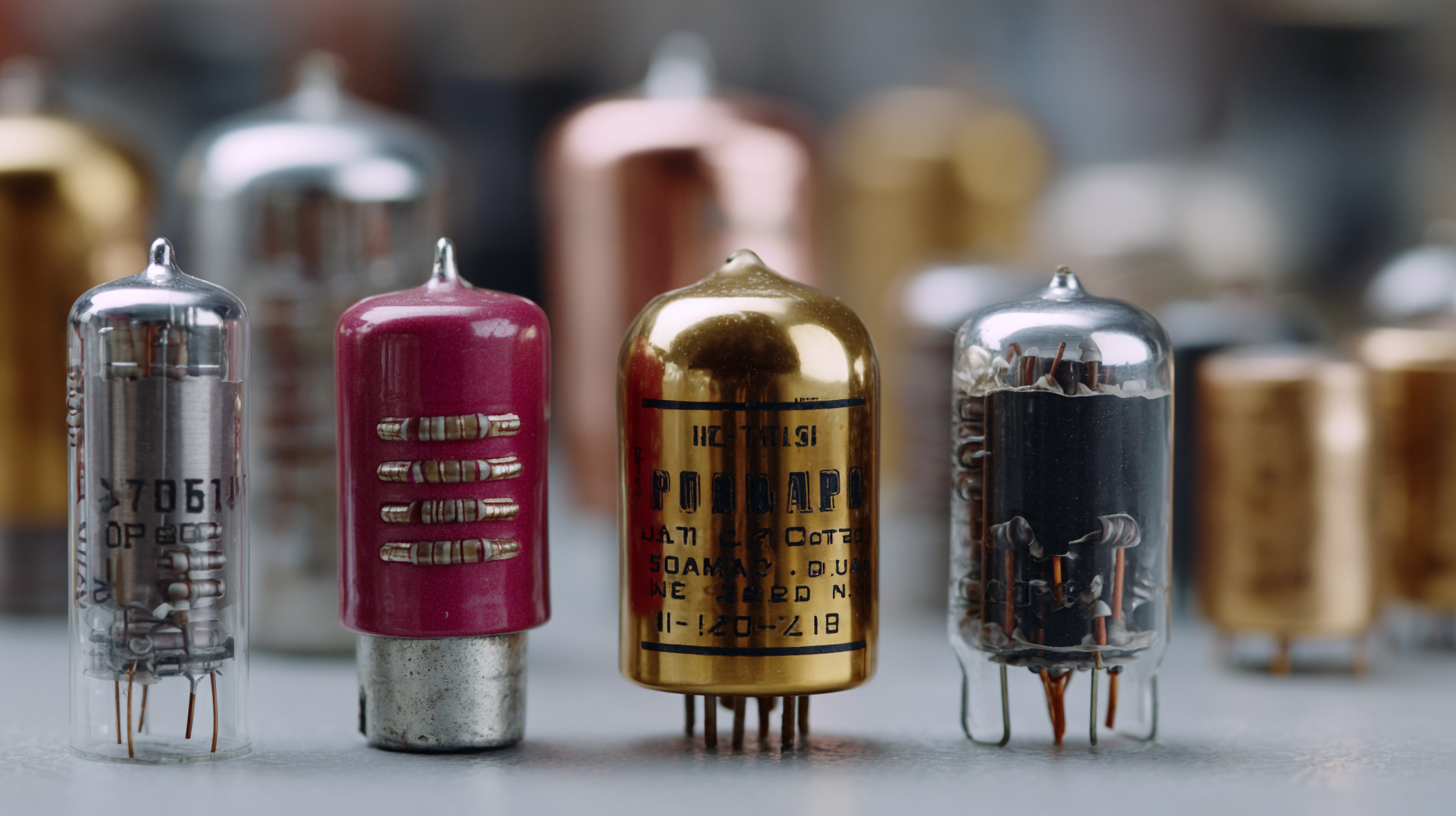
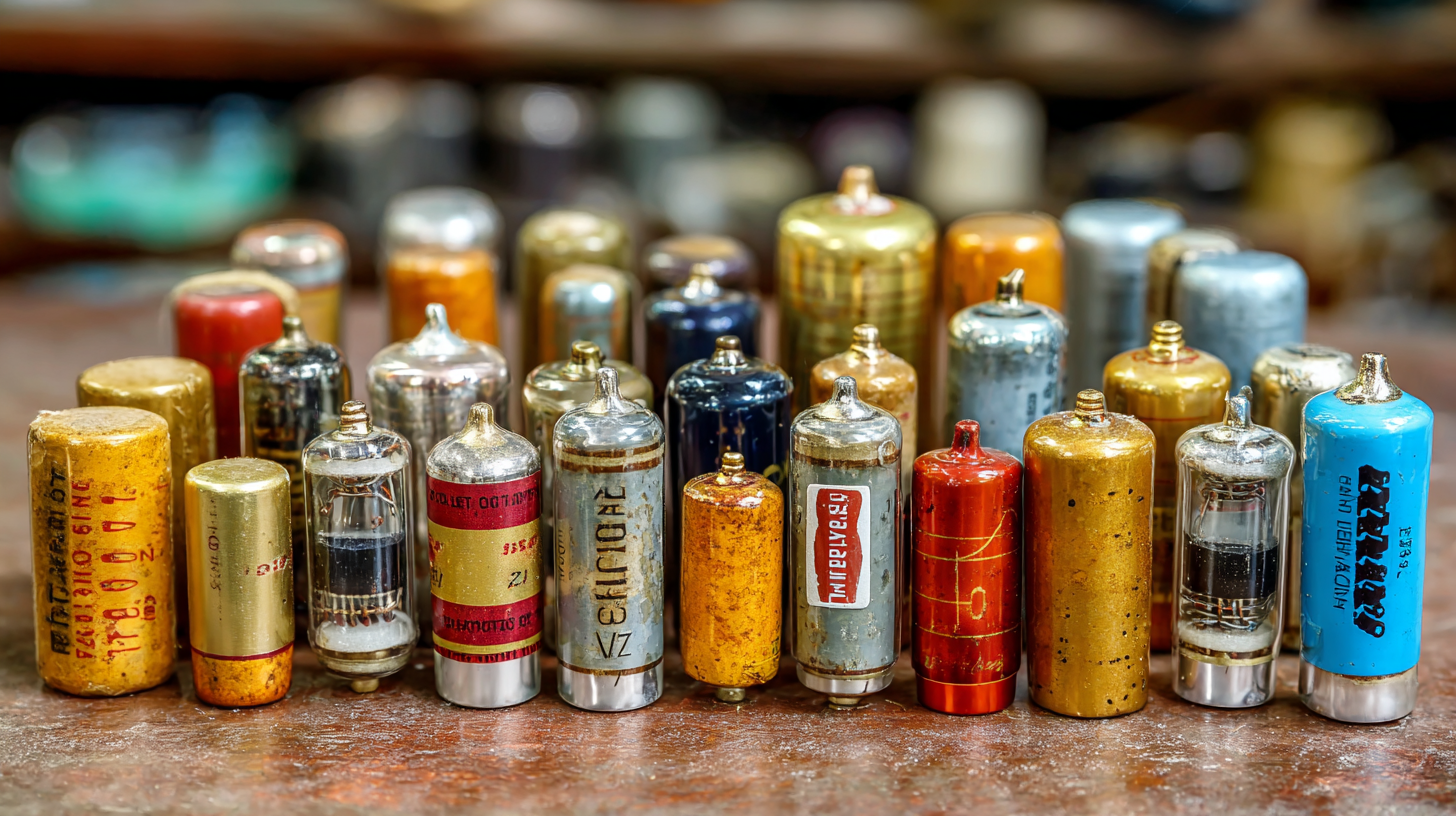
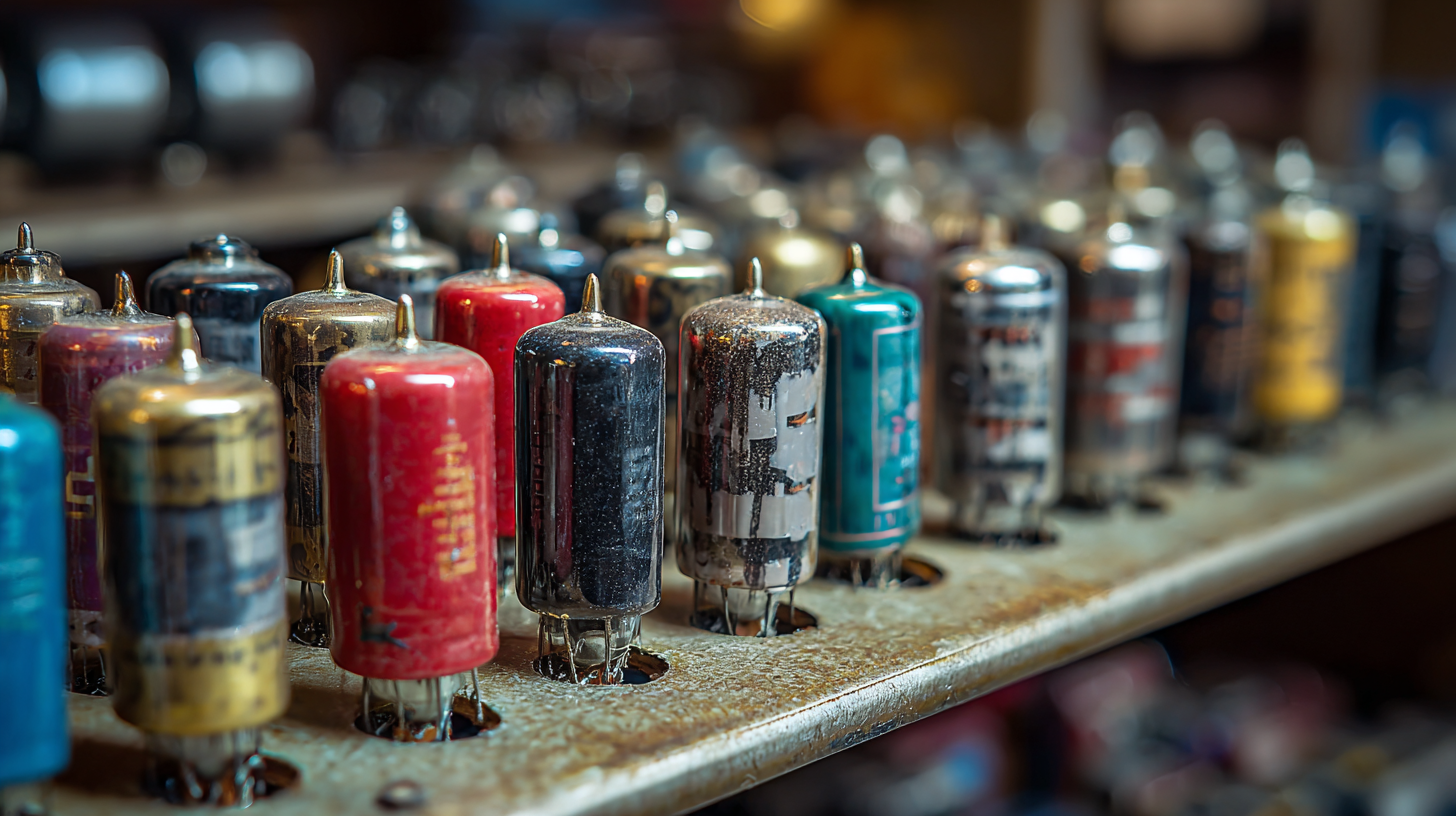
Vintage capacitors, with their kinda unique designs and materials, have really played a major role in shaping modern electronics. Among all the types out there, paper capacitors stand out—they're known for packing a lot of capacitance and hardly any leakage. You'll find them all over vintage audio gear because they give a warm, rich sound that lots of audiophiles swear by. That said, over the years, the paper insulation inside can start to break down, which might cause some performance hiccups.

Then there’s the electrolytic capacitor, which came onto the scene around the mid-20th century. These guys are appreciated for how compact they are and how much capacitance they can store—pretty impressive! But, they’re a bit finicky—they’re polarity-sensitive and react to temperature changes. When you come across vintage electrolytics, they often have a certain charm to them, like producing a softer, smoother sound in audio setups. And let’s not forget ceramic capacitors, which were everywhere in older circuits—they’re pretty reliable and stable. Thanks to different dielectric materials, they’re super versatile, used for everything from filtering signals to smoothing voltages. Basically, understanding their quirks and characteristics is pretty important, whether you're dealing with vintage gear or modern gadgets.

Exploring the Legacy of Vintage Capacitors in Modern Electronics

This chart illustrates the distribution of different types of vintage capacitors commonly found in electronics. The majority of vintage capacitors are ceramic, followed by electrolytic and film types, which showcase the unique characteristics and applications each type brings to modern electronics.

The Role of Vintage Capacitors in Circuit Design

Vintage capacitors might seem like relics from the past, but honestly, they still pack a punch when it comes to circuit design in modern electronics. You know, those old-school capacitors from the mid-20th century? They’re still making their mark—especially in audio gear, vintage radios, and even some modern DIY projects. What’s really cool is their sturdy build and the way they give certain sounds a kind of vintage charm that many audio folks and hobbyists absolutely love. Interestingly enough, industry reports suggest that, when you take good care of them, vintage electrolytic capacitors tend to fail less often than newer ones. That means they can last quite a while and be super useful in today’s setups.

A quick tip if you’re thinking about using vintage capacitors—make sure to test them first! Check their capacitance and leakage pretty carefully before you toss them into your project. Using good testing gear is worth it because it helps you figure out if they’re still in solid shape. And, if you want to keep that vintage vibe, it’s a good idea to replace them with similar types so everything sounds just right.

Honestly, the design principles from back in the day still matter today—especially when authentic sound quality is a big deal. Lots of professional audio rigs still rely on vintage capacitors because they bring a kind of tonal character that modern parts just can’t match. Combining the old with the new can lead to some pretty innovative results while still honoring that classic aesthetic we all appreciate.

Exploring the Legacy of Vintage Capacitors in Modern Electronics - The Role of Vintage Capacitors in Circuit Design

Capacitor Type Typical Capacitance Range Voltage Rating Applications Key Characteristics
Paper Capacitors 0.001 µF - 10 µF 50V - 600V Hi-Fi Audio, Vintage Radios Stable, Warm Sound, Natural Filtering
Ceramic Capacitors 0.1 pF - 1 µF 16V - 1000V RF Applications, Audio Circuits Low Loss, High Stability, Frequency Response
Electrolytic Capacitors 1 µF - 10000 µF 6.3V - 450V Power Supply Filtering, Amplifiers High Capacitance, Polarized
Mica Capacitors 1 pF - 100 nF 50V - 1500V Timing Circuits, RF Applications Excellent Stability, Low Temperature Coefficient

Integrating Vintage Capacitors into Modern Electronics

Mixing vintage capacitors into modern electronics

Exploring the Legacy of Vintage Capacitors in Modern Electronicsis kinda like blending nostalgia with everyday functionality — it’s pretty cool. These old-school parts are known for their distinctive build and the unique tones they bring, especially in audio circuits where sound quality really matters. If you’re into high-fidelity music setups, you'll notice that many audiophiles actively hunt down vintage capacitors because they give a warm, rich sound that really adds depth. By thoughtfully choosing and adding these capacitors into newer audio gear, designers can craft circuits that not only sound fantastic but also evoke that classic vibe, all while taking advantage of today’s tech innovations.

And it’s not just about audio, either. Vintage caps also play a big role in vintage-style guitar amps and effects pedals — just ask any musician, and they’ll tell you how these components contribute to that sought-after tonal character. Of course, handling these old parts isn’t always straightforward; they can be a bit finicky compared to new components, so you gotta have some understanding of their quirks. But when you pair them correctly with modern designs, they can add both visual charm and that special sonic touch that connects past and present. The growing love for vintage components really shows how today’s electronics enthusiasts are into blending heritage with innovation — and it often results in some pretty amazing gear.

Maintaining and Restoring Vintage Capacitors for Modern Use

When you think about vintage capacitors, their impact on modern electronics is pretty interesting—it's a mix of history and practicality. Restoring and maintaining these parts isn’t always straightforward, but the process can be really rewarding too. For anyone into tech or electronics, really understanding what these capacitors were originally designed for and their specs is super important. Sometimes, their unique qualities can even boost modern circuits, but you gotta handle them with care to keep everything running smoothly and reliably.

Exploring the Legacy of Vintage Capacitors in Modern Electronics

The first step in restoring a vintage capacitor is giving it a good inspection. Check its physical condition—look for leaks, corrosion, or anything out of the ordinary. A good cleaning of the terminals and housing often brings these old parts back to life. Also, replacing any worn-out insulation is crucial to get it functioning properly again. Before plugging these into your modern circuits, it’s a must to test their capacitance and ESR. When done right, vintage capacitors can find a place in audio gear, vintage amps, or even custom-built projects, giving you that unique sound quality you just can’t get with newer components.

Assessing Performance: Vintage Capacitors vs. Modern Alternatives

Vintage capacitors have always been kind of special in the tech world, mainly because they have these unique qualities that you just don’t see in today’s components. For instance, back in the day, manufacturers managed to pack more capacitance into smaller sizes—thanks to the materials and building techniques they used. Think oil-filLED or paper capacitors—they're still favorites for certain audio setups. People really love the warm, richer sound they produce, especially in music and high-frequency stuff. And honestly, it’s not just about “nice sound” — that warmth actually comes from the specific dielectric materials, which kind of bring out certain harmonic frequencies, making the sound more pleasing to the ear.

On the flip side, modern capacitors are all about efficiency and durability. They’re engineered with slick new materials like polypropylene and ceramics, which allow them to be small, reliable, and pretty tough in demanding environments. But here’s the thing—while they excel in those technical ways, some die-hard audio nerds say they’re missing that vintage charm. That’s why there’s always this ongoing debate about whether modern caps can really replace the vintage ones in high-end hi-fi setups. Looking at both, you kind of see not just how far technology has come, but also how personal tastes and nostalgia shape what folks prefer in their gear. It’s pretty fascinating, really.

FAQS

: What is the significance of vintage capacitors in modern circuit design?

: Vintage capacitors offer unique characteristics that can enhance overall performance, especially in audio equipment and vintage radios, making them highly valued among audio engineers and DIY enthusiasts.

Why are vintage electrolytic capacitors considered reliable?

Vintage electrolytic capacitors have demonstrated lesser failure rates than newer alternatives when properly maintained, suggesting a longevity that can benefit modern applications.

What should be tested before integrating vintage capacitors into new designs?

It is vital to test their capacitance and leakage levels using high-quality testing equipment to ensure informed decisions about their usability.

How do vintage capacitors contribute to the authenticity of sound in audio setups?

Many professional audio setups rely on vintage capacitors to achieve specific tonal qualities that modern components cannot replicate, making their design principles relevant today.

What are the key steps in maintaining and restoring vintage capacitors?

Key steps include a thorough inspection for leakage or corrosion, cleaning terminals and housing, replacing degraded insulation, and testing capacitance and equivalent series resistance (ESR) values.

Can vintage capacitors be integrated into modern circuitry?

Yes, with proper maintenance and understanding of their specifications, vintage capacitors can be utilized in modern circuits, allowing users to experience unique tonal qualities.

Are there any challenges associated with using vintage capacitors?

Yes, using vintage capacitors requires careful handling to ensure performance and reliability, considering their specific characteristics and original applications.

What is the role of restoration in utilizing vintage capacitors?

Restoration involves assessing and improving the physical state of the capacitors, ensuring their functionality through inspection, cleaning, and testing before integration into modern applications.

How can the balance of vintage and contemporary components lead to innovation?

The intricate combination of vintage and modern components can produce innovative solutions while respecting traditional design aesthetics, particularly in audio engineering.

What can be done to retain the characteristics of a circuit when using vintage capacitors?

Upgrading with similar types of components can help retain the desired characteristics of your circuit while integrating vintage capacitors.

Conclusion

The article titled "Exploring the Legacy of Vintage Capacitors in Modern Electronics" takes us on a pretty interesting journey into the world of vintage capacitors. It dives into the different types and traits of these old-school components and shows how they still influence circuit design today. What’s pretty cool is how these vintage parts can be mixed into modern electronics, giving gadgets a charming retro vibe while sometimes even boosting their look and functionality. The piece also covers handy tips on how to keep these capacitors in good shape — like maintenance and restoration tricks — so they last longer and work reliably. Plus, it compares their performance against newer, more contemporary options, giving a good sense of their place in today’s tech landscape.

At Hua Sheng Bo Ye (Shenzhen) Technology Co., Ltd., we pride ourselves on offering genuine, brand-new products that stand for quality. We understand how important vintage capacitors are in keeping alive our tech history while still pushing forward with innovation in today's electronics world. Our R&D team is always staying up-to-date with developments around these special components, which means we’re able to offer our customers a mix of that nostalgic charm and the latest cutting-edge solutions.
Lila

Lila

Lila is a distinguished marketing professional at Huasheng Boye (Shenzhen) Technology Co., Ltd., where she showcases her extensive expertise in the tech industry. With a keen understanding of the company's innovative products, Lila plays a pivotal role in enhancing the brand's visibility through......
Previous Top 5 Global Import Export Certifications for Sensors