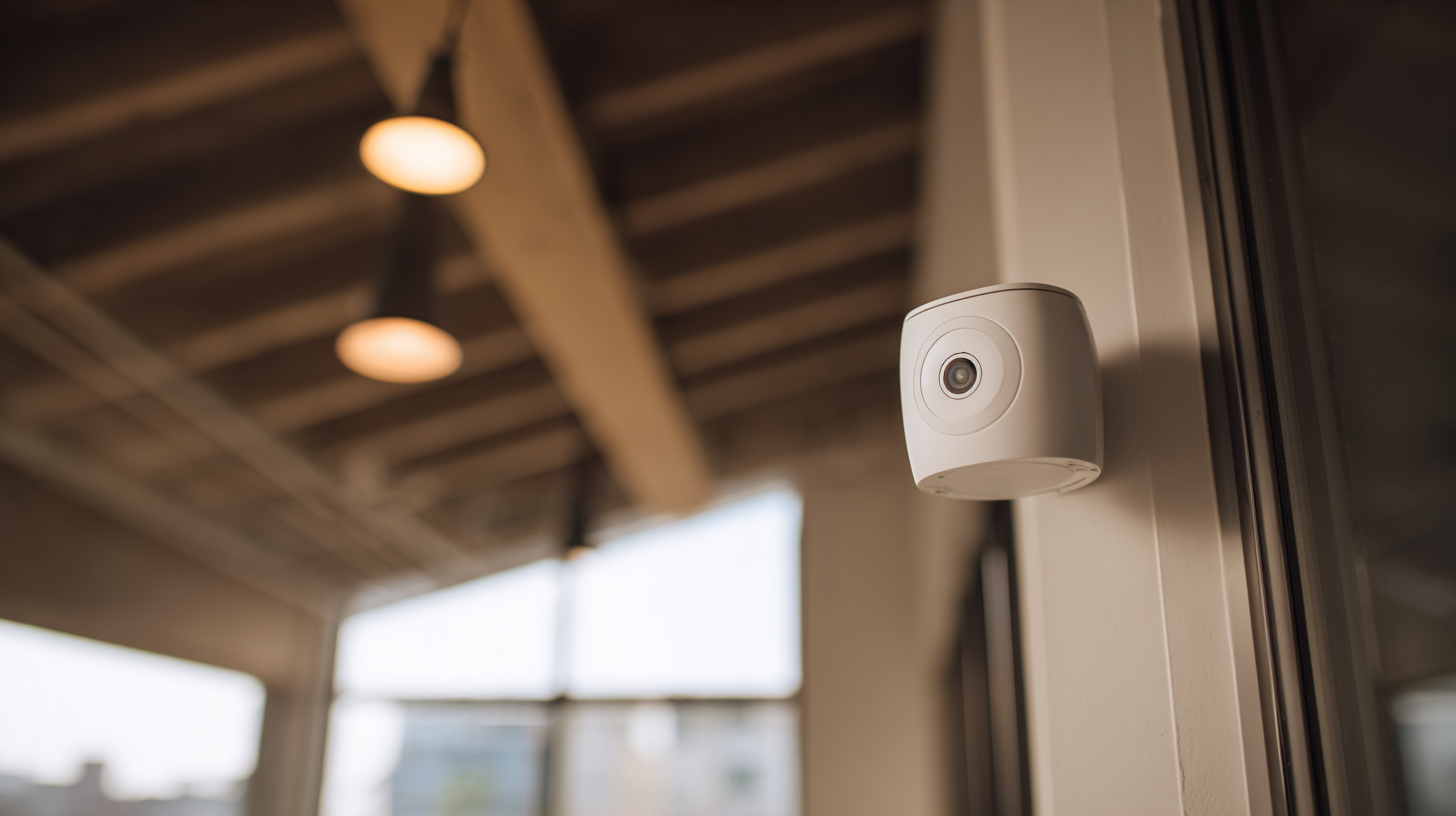
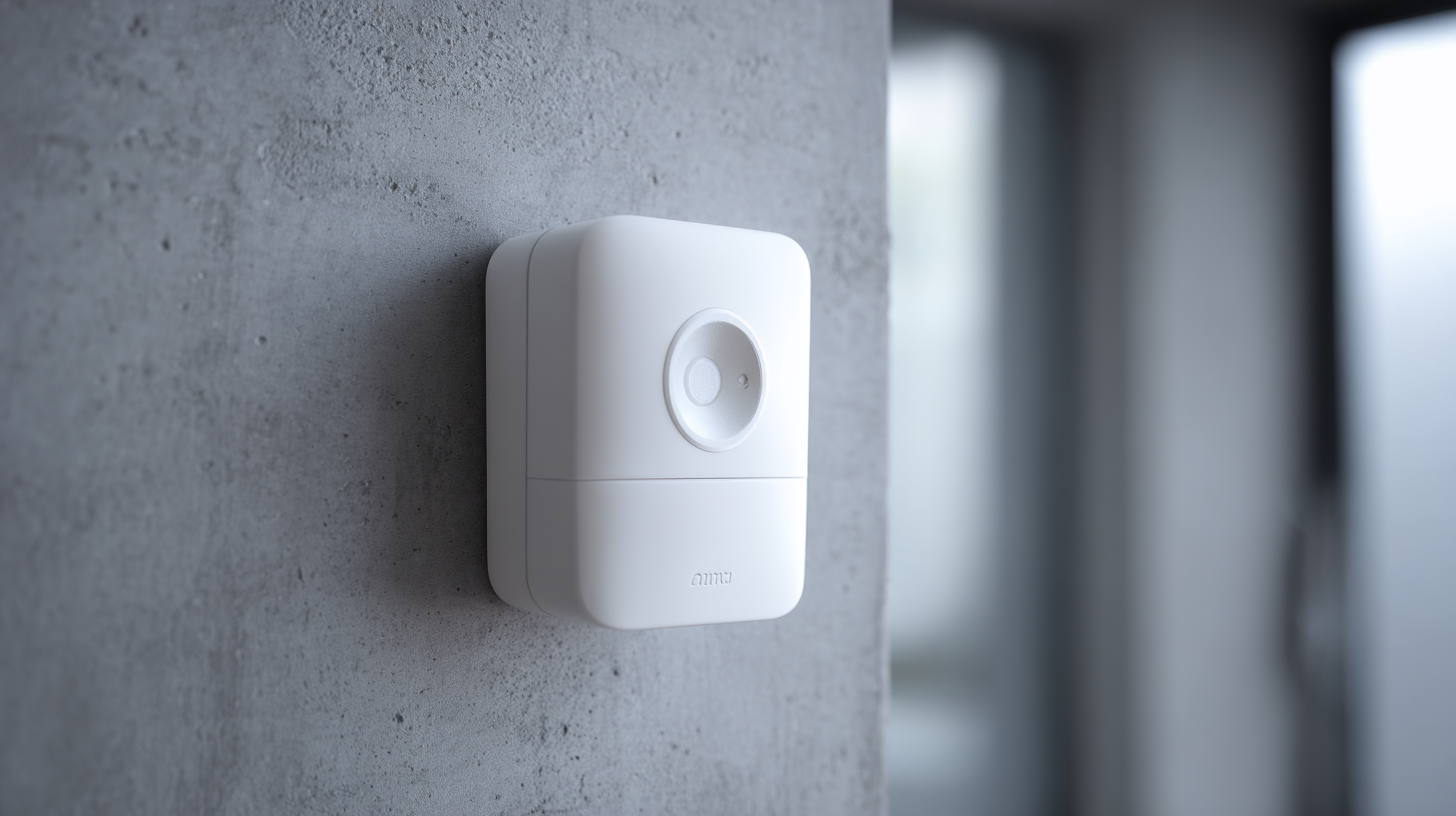
These days, with technology evolving at lightning speed, businesses have to stay on their toes. A lot of them are turning to advanced tools like Motion Sensors to boost their efficiency and keep things secure. But you know what? Finding the right manufacturers is key to making sure you’re getting top-notch components that really perform and last. That’s where Hua Sheng Bo Ye (Shenzhen) Technology Co., Ltd. comes into play.
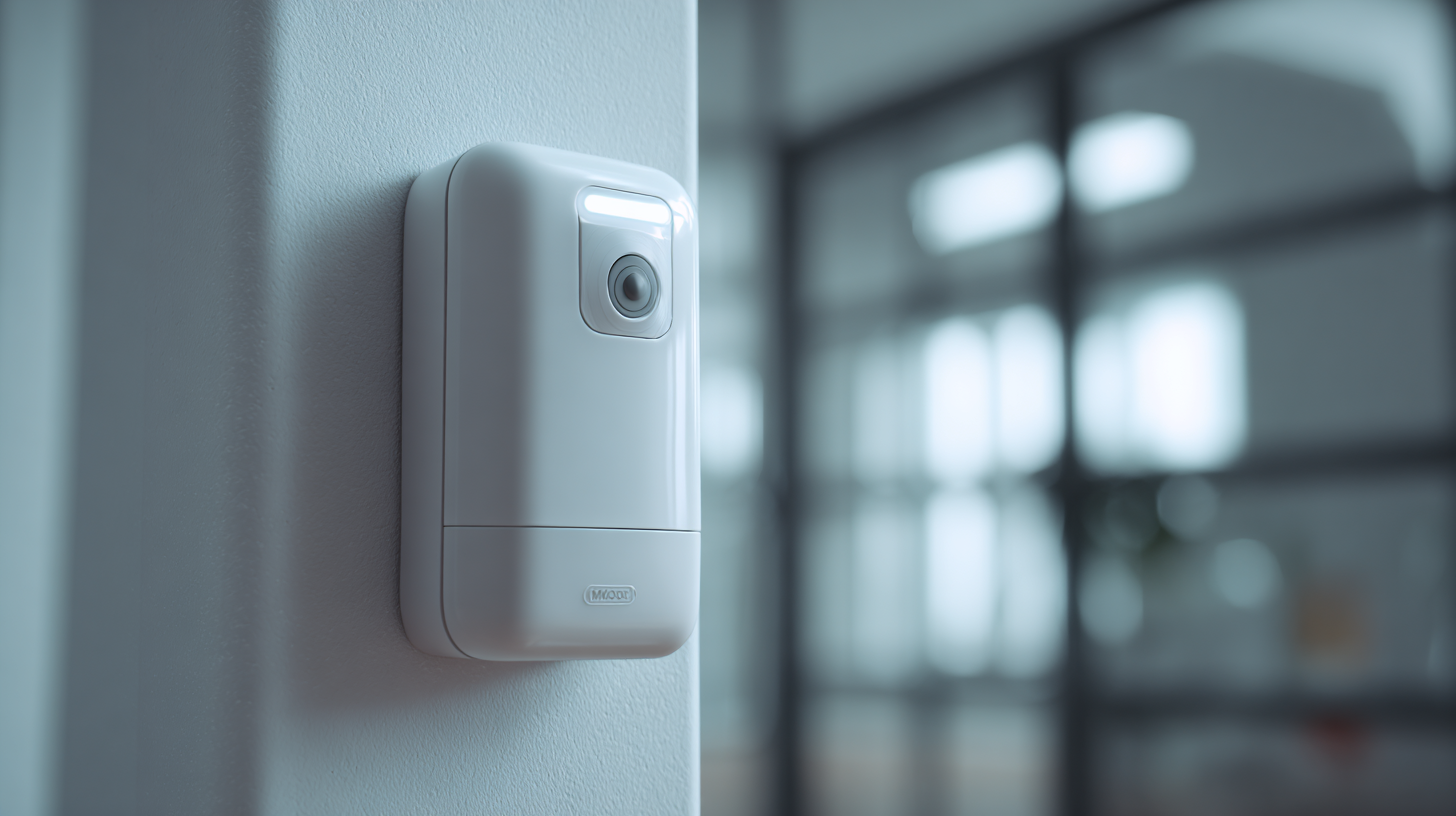
They really set themselves apart in a crowded market by focusing on quality—only selling genuine, brand-new original products. With a passionate R&D team and a solid quality control crew, they’ve managed to snag agency rights from several well-known manufacturers and brands, making sure their clients get the best of the best. In this blog, we’ll dive into some handy tips for spotting reliable motion sensor manufacturers that fit your business needs, showing just how important quality is for building trust and solid partnerships in the long haul.
So, you’re on the hunt for a solid motion sensor manufacturer, right? There are definitely a few key things you should keep in mind because they can really make a difference in how well these products perform and how reliable they are for your business. First things first, take a good look at the manufacturer’s experience and reputation in the game. Established ones usually have a track record that speaks for itself and the know-how to churn out high-quality sensors. It’s a good idea to lean towards those who’ve been around for a few years and have happy clients to back them up.
Another thing to think about is the technology and innovation the manufacturer is bringing to the table. You want motion sensors that utilize the latest tech to deliver accuracy, reliability, and efficiency. Manufacturers that really invest in research and development often end up with products that have some impressive features—think adjustable sensitivity, smart detection algorithms, and designs that save energy. And don’t forget about customer support and warranty policies; those can tell you a lot about how committed the manufacturer is to their products and making sure you’re happy. By keeping these key aspects in mind, you’ll be in a much better position to choose a motion sensor manufacturer that really fits your business needs.
| Feature | Importance | Description |
|---|---|---|
| Quality Control | High | Ensure manufacturers have stringent quality control processes to maintain product reliability and performance. |
| Customization Options | Medium | Look for flexibility in design and customization that meets specific business needs. |
| Technical Support | High | Reliable technical support is crucial for troubleshooting and maintaining device performance after purchase. |
| Reputation | High | Research the manufacturer's reputation in the industry and customer reviews. |
| Compliance with Standards | High | Ensure products meet industry standards and certifications for safety and performance. |
| Lead Time | Medium | Evaluate the manufacturer's ability to deliver products in a timely manner to meet business demands. |
Hey there! So, when you're picking out motion sensors for your business, it's super important to get a handle on the different types out there and what they're actually used for. You've got three main categories to think about: passive infrared (PIR), microwave, and then there are dual technology sensors to throw into the mix. Now, PIR sensors are probably the ones you see most often; they work by detecting changes in infrared radiation. This makes them perfect for things like security systems and energy-efficient lighting. Plus, they're pretty affordable and do a solid job for indoor spaces, keeping an eye on rooms or hallways without a hitch.
On the flip side, you've got microwave sensors, which send out microwave signals and look for reflections from anything that's moving. These guys are especially handy in bigger areas or places where there are a lot of obstacles because they can cover a much wider range and even peek through walls a bit. And let’s not forget about dual technology sensors—they're like a combo pack that mixes both PIR and microwave tech. This makes them more reliable since they help cut down on those annoying false alarms. So, understanding these types will totally help businesses choose the right motion sensor that fits their specific needs while ensuring everything runs smoothly and reliably.
Choosing a motion sensor manufacturer? Well, it’s super important to wrap your head around their quality control processes. You see, high-quality motion sensors don’t just boost product reliability; they play a huge role in keeping things safe and efficient—whether we’re talking about smart homes or industrial automation. I came across a report from MarketsandMarkets that’s saying the global motion sensor market could hit $3.52 billion by 2025! That really underscores how crucial product quality is in such a competitive field. Manufacturers that really zero in on solid quality control can cut down on defects and keep customers happier.
Now, here’s a little tip: when you’re on the hunt for top-notch manufacturers, dig into their quality management systems, or QMS. You want to look for those with international certifications, like ISO 9001. It’s a good sign that they’re all about continuous improvement and keeping their customers happy. And don’t forget to check out how they test their products—quality manufacturers often use cutting-edge tech on their production lines, including automated testing gear that really ups the accuracy and efficiency.
Also, it doesn’t hurt to take a peek at things like defect rates and customer reviews. If a manufacturer is upfront about their quality performance data, that shows they’re transparent and confident in what they’re offering. Actually, a recent study from Research and Markets found that companies investing in thorough quality control cut down costs associated with returns and repairs by as much as 30%! That’s a pretty sweet stat for any business wanting to streamline their supply chain and improve their product lineup.
When you're checking out different motion sensor manufacturers, it’s super important to take a good look at their certifications and how well they stick to industry standards. I mean, those certifications aren’t just fancy badges; they’re big indicators of how serious a manufacturer is about quality and sustainability. Lately, it seems like the buzz around certifications has really ramped up, especially with all that talk about greenwashing. Industry leaders are really pushing the idea that these certifications are key to promoting eco-friendly practices. Just think about it—organizations that nail down those recognized sustainable certifications are showing they’re accountable for their actions and are playing a part in the bigger picture of tackling climate change and standing up for human rights.
And you know, sticking to strict industry standards isn’t just about checking a box; it really shows that a company is leading the pack. Take cybersecurity, for instance—lots of organizations are diving into frameworks that make them more resilient against new threats. These frameworks don’t just keep the business safe; they build trust with clients and stakeholders, too. As things keep changing, new measures like that fresh ISO/IEC 42001 standard for AI governance show how important it is for manufacturers, including those making motion sensors, to align with the best practices out there. So, when you focus on manufacturers that have solid certifications and follow established standards, you’re really setting yourself up to collaborate with the best in the game—those who are dedicated to quality and ready for the innovations of tomorrow.
When you're picking a motion sensor manufacturer, you really can't overlook how important good customer support and after-sales service are. A solid manufacturer doesn’t just whip up quality products; they’re also there for their clients every step of the way, whether it’s helping with installation or sorting out any issues that pop up later. In a field where technology changes at lightning speed, having a customer service crew that’s quick to respond can really tip the scales for businesses trying to stay efficient and competitive.
At Hua Sheng Bo Ye (Shenzhen) Technology Co., Ltd., we totally get that top-notch customer support is key to building strong, long-lasting relationships with our clients. Our quality-first promise goes way beyond just the products we sell; it’s all about how dedicated we are to our customer service too. With a rockstar technology R&D team and a careful quality control squad, we make sure our customers are getting genuine, original products. Plus, we’re always ready to help out with any questions or concerns that come up after the sale. This all-in approach to support builds trust and satisfaction with our clients, so they can really get the most out of the advanced motion sensor solutions we offer.
When you're thinking about buying motion sensors, it’s super important to find the right balance between cost and quality, especially for businesses. Sure, it can be real tempting to just grab the cheapest option, but those low-cost sensors often end up being a headache – they might not be durable or reliable, which means you could wind up spending more on maintenance and replacements later. So, spending a bit more on a solid, high-quality product can really boost your overall efficiency and help you save money in the long run.
Tip 1: Take a good look at the manufacturer’s reputation and customer reviews. This can totally give you the lowdown on how reliable and effective their sensors are compared to others. A company with great reviews usually has a pretty strong commitment to quality, and that’s something that can totally justify a higher price tag.
Tip 2: Dive into the specifications and features that really matter for your specific needs. Sometimes, shelling out a little extra for advanced features like sensitivity adjustments or energy efficiency can make a huge difference and save you a lot down the road.
By weighing the cost against the quality of motion sensors, businesses can make smarter choices that truly fit their needs and budgets, leading to a more worthwhile investment overall.
: Understanding quality control processes is essential because high-quality motion sensors enhance product reliability and ensure safety and efficiency in various applications, from smart home technology to industrial automation.
Look for manufacturers certified under international standards, such as ISO 9001, which indicates their commitment to continuous improvement and customer focus.
Review if the manufacturer utilizes advanced technology in their production lines, such as automated testing equipment that enhances accuracy and efficiency.
Reviewing these metrics allows you to understand the manufacturer's quality performance and their transparency, indicating confidence in their products.
Organizations that invest in comprehensive quality control processes see up to a 30% reduction in costs associated with product returns and repairs.
Certifications are crucial as they serve as a benchmark for assessing a manufacturer's commitment to quality and sustainability while also mitigating issues like greenwashing.
It signifies leadership in market practices and demonstrates a manufacturer's commitment to compliance, quality, and sustainability.
Manufacturers that achieve recognized sustainable certifications demonstrate accountability in their operations, which contributes to broader climate change and human rights advocacy.
Such adherence showcases a manufacturer's commitment to aligning with best practices in governance, particularly regarding emerging technologies like AI.
Certifications demonstrate a manufacturer's dedication to quality, sustainability, and compliance, which builds trust and confidence among clients and stakeholders.