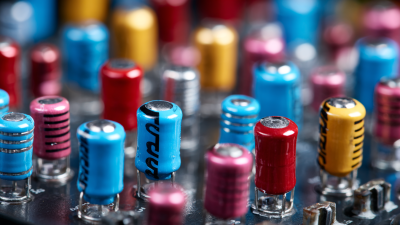
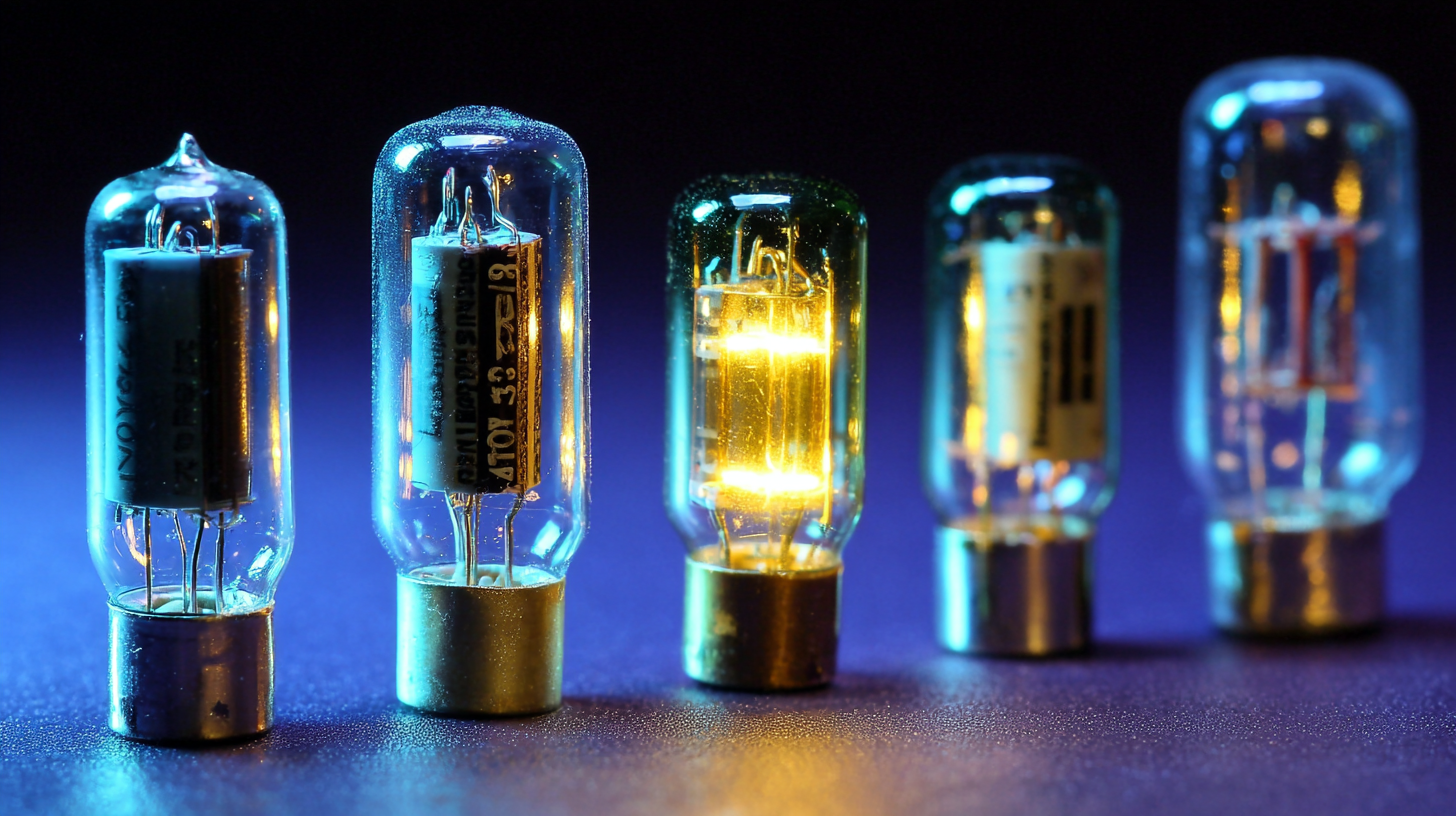
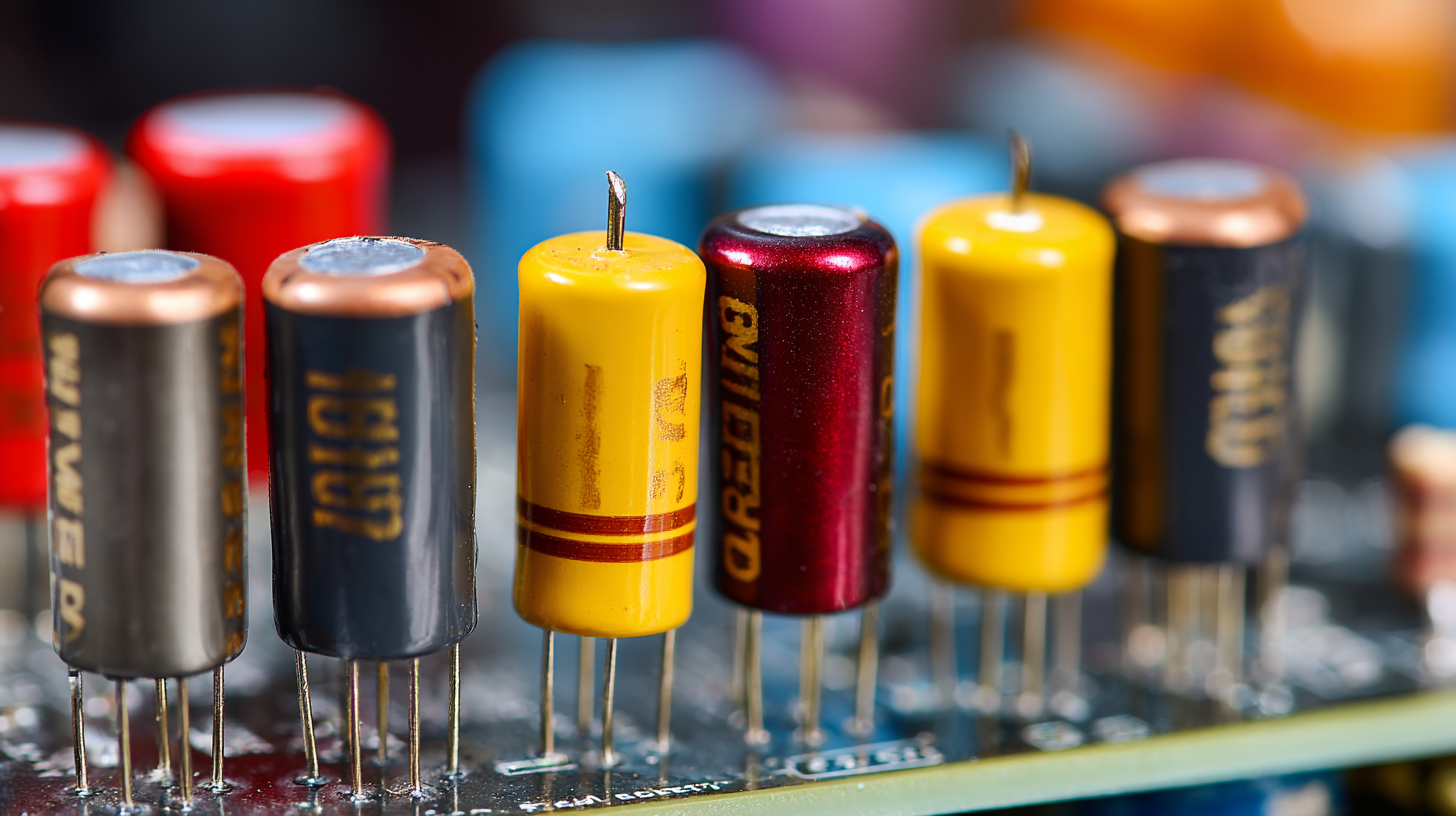
In the constantly changing world of electronics, Capacitors are absolutely key—they're pretty much the backbone of so many things, from power supplies to signal processing. Did you know that, according to a recent market report, the global capacitor market is expected to hit around USD 68 billion by 2026? That’s a solid growth rate of about 5.6% annually from 2021 to 2026. It really shows just how much folks are craving reliable and cutting-edge capacitor solutions. Over here at Hua Sheng Bo Ye (Shenzhen) Technology Co., Ltd., we’re all in on meeting that demand. We make sure to supply only genuine, brand-new, original capacitors, sourced from reputable manufacturers. Our hardworking R&D team and rigorous quality checks help us not only provide the essential components but also push forward the development of electronics worldwide. For industry pros wanting to get the most out of these parts, understanding the different types of capacitors and what they do can really make a difference in leveraging their full potential in today’s tech landscape.
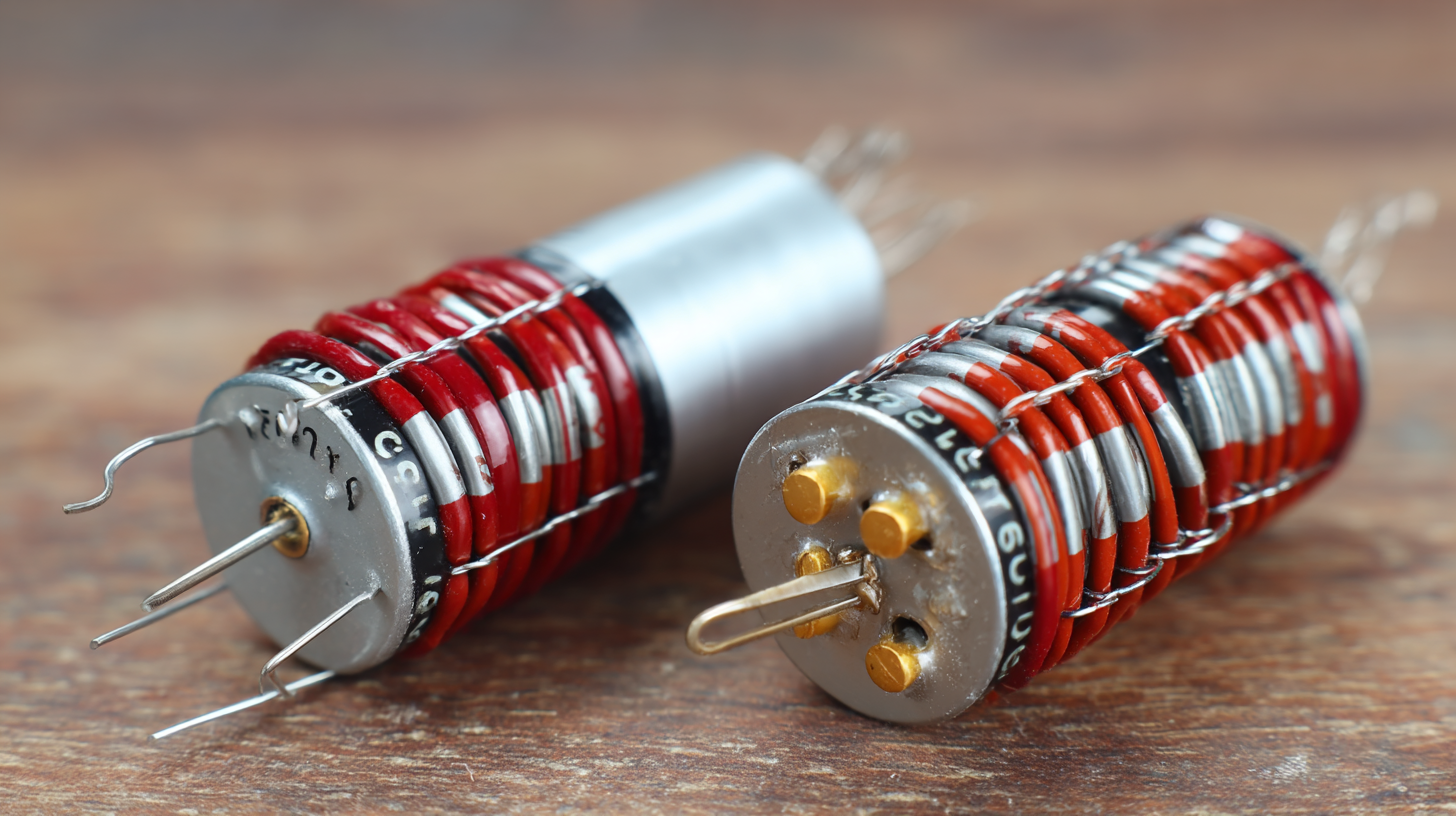
When you're working on electronics projects, choosing the right kind of capacitor can sometimes feel pretty overwhelming. There are so many options—like ceramic, tantalum, and electrolytic—and each one has its own set of quirks, pros, and cons. Getting a good understanding of these differences is really important, especially if you’re dealing with renewable energy setups like solar or wind, where you really need things to be reliable and efficient. In these kinds of systems, capacitors are super important because they help smooth out voltage swings and store energy, which makes picking the right one even more crucial.
One of the tricky parts about choosing capacitors is how they perform differently depending on the environment. For example, if you’re using them outdoors or in hybrid renewable energy setups, they have to handle temperature swings and humidity, which can actually mess with their lifespan and efficiency. Plus, you’ve gotta think about things like voltage ratings, capacitance, and even the size of the capacitor—it all has to match what your project needs. As the industry shifts toward more integrated and greener energy solutions, paying attention to these details becomes a big deal if you want your electronics to last and work well in the long run.
Capacitors are pretty much the backbone of electronic circuits—they store energy and help keep things stable. But here’s the thing: understanding how they might fail is super important if you want your circuits to stay reliable. Industry folks say that around 30% of electronic failures are actually caused by issues with capacitors, so choosing good-quality components really matters. Common problems like dielectric breakdown, leakage, or not properly rated voltage can cause pretty serious malfunctions and mess things up.
At Hua Sheng Bo Ye (Shenzhen) Technology Co., Ltd., we stress the importance of using genuine, brand-new original capacitors to avoid these kinds of issues. We’re all about quality first—partnering only with reputable manufacturers to make sure our customers get reliable, high-quality parts. Our dedicated R&D and quality control teams put each component through rigorous tests to keep failure rates low and boost overall circuit performance. That way, we’re not just helping devices work better longer but also building trust in their long-term reliability. For engineers and designers, really understanding how and why capacitors can fail is key to building sturdy, dependable electronic systems that last.
You know, dielectric materials really have a big say in how well capacitors perform, which are, by the way, super important parts in all kinds of electronic gadgets. The type of dielectric you choose doesn’t just impact the capacitance; it also influences things like the maximum voltage it can handle, how much energy gets lost as heat, and the overall efficiency. Some common dielectric options are ceramic, polyester, electrolytic, and tantalum—each one has its own perks and is suited for different needs. For example, ceramic capacitors are known for being really stable and having low losses at high frequencies, so they’re perfect for radio frequency stuff.
Oh, and there's this thing calLED thedielectric constant—that’s basically how good a material is at holding electrical energy. The higher the dielectric constant, the more capacitance you get in a smaller size, which is pretty critical nowadays with tiny, compact devices. But, of course, you gotta think about other factors too, like how stable it is across temperature changes and whether it can handle high voltages without breaking down. Understanding these little details helps engineers pick the right capacitor for their project, which in turn makes the device work better and last longer.
When you're designing electronic circuits, getting a good handle on capacitor voltage ratings is pretty important if you want everything to run smoothly. Basically, a capacitor's voltage rating tells you the maximum voltage it can handle without risking failure. If you go beyond that limit, it could cause a total breakdown, which might damage not just the capacitor but other parts of your circuit too. So, it’s a smart move to pick capacitors that have voltage ratings not just suitable but actually a bit higher than the voltages you'll be working with. That way, you get better stability and a longer-lasting setup.
And here's the thing—different applications call for different voltage ratings, depending on what conditions you're dealing with. For example, in power supply circuits where voltage spikes happen more often, bumping up the capacitor's voltage rating becomes pretty crucial. It helps prevent dielectric breakdown and keeps everything running smoothly over time. Plus, you gotta remember factors like temperature and frequency; these can also influence how a capacitor performs at certain voltages in real life. All in all, understanding and choosing the right voltage ratings is key for making sure your circuit works like a charm and doesn’t run into unexpected problems down the line.
You know, temperature really plays a huge part when it comes to how well capacitors work and how long they last. It’s something more and more people are recognizing these days, especially with all the different environments electronic components have to deal with. I mean, if you think about it, understanding how heat affects capacitor performance is pretty much essential if you want your devices to be reliable over time. Take tantalum capacitors, for example — following derating guidelines because of high temperatures is super important, since too much heat can seriously wear them out and drag down your system’s overall performance.
If you’re looking to keep your capacitors running smoothly, a few tips can really help. Monitoring their operating temperatures is a start, and considering the use of high-temperature dielectric polymers can also make a difference. The really cool thing is that recent advances—like new electrolyte additives and multilayered graphene—are making capacitors tougher and more reliable, even in extreme conditions. Plus, choosing the right type of capacitor for your specific needs is crucial — picking the wrong one can lead to thermal stress and lower efficiency, which nobody wants.
And honestly, if you're serious about optimizing your system, going for top-quality products from reputable manufacturers is the way to go. Here at Hua Sheng Bo Ye (Shenzhen) Technology Co., Ltd., we put a lot of emphasis on quality first. Our dedicated R&D team keeps pushing the envelope with innovations in the capacitor world, so our clients can count on getting the latest and greatest solutions tailored precisely to their needs.
Lately, there have been some exciting breakthroughs in capacitor tech that are opening up new possibilities for all sorts of electronic gadgets. One of the coolest trends right now is supercapacitors—they can charge and discharge way faster than the old-school electrolytic ones. Because of their quick energy storage, they’re becoming pretty popular in electric cars, renewable energy setups, and portable devices. And with everyone pushing for greener solutions, these supercapacitors are playing a key role in sustainable energy systems, giving that quick power boost to help traditional batteries out.
On top of that, there’s also been good progress with polymer capacitors. They’ve got better energy density and are more reliable than before. Thanks to new materials, these capacitors are getting smaller, lighter, and at the same time, work better—perfect for tiny, high-performance electronics. As folks keep demanding smaller, more efficient gadgets, it’s clear that smarter capacitor designs are going to be a game-changer for managing power. Honestly, the future of capacitors looks pretty bright, especially with all the ongoing research that’s leading to even more exciting applications across different industries.
: Common failure modes of capacitors include dielectric breakdown, capacitor leakage, and inadequate voltage ratings, which can lead to serious circuit malfunctions.
Industry reports indicate that about 30% of electronic failures can be attributed to capacitor-related issues, highlighting the importance of selecting high-quality components.
Using genuine, brand-new original capacitors helps mitigate risks of failure, ensuring reliable circuit performance and reducing the likelihood of electronic device malfunctions.
Temperature plays a critical role in capacitor functionality; excessive heat can lead to significant degradation over time, impacting the overall performance and lifespan of capacitors.
Tips for maintaining capacitor reliability include monitoring operating temperatures, following derating guidelines, and considering high-temperature dielectric polymers for improved performance.
Recent advancements include the development of supercapacitors, which offer faster charge and discharge rates, and enhanced polymer capacitors that provide improved energy density and reliability.
Supercapacitors are ideal for applications in electric vehicles, renewable energy storage, and portable electronics due to their rapid energy storage capabilities.
Innovations such as supercapacitors are essential for sustainable energy systems, providing quick bursts of power that complement traditional batteries in greener technologies.
A dedicated R&D team helps keep pace with innovations in capacitor technology, ensuring clients receive cutting-edge solutions tailored to their specific requirements.
Proper selection of capacitors based on application needs is vital to mitigate thermal stress effects and enhance energy storage efficiency, ultimately improving system reliability.
In the ever-changing world of electronics, getting a good handle on capacitors is pretty essential if you're into design and making stuff work smoothly. This guide aims to cover the basics — from the ups and downs of picking the right type for your specific project, to understanding what could go wrong and mess up your circuit. We also stress how crucial it is to select the right dielectric materials because they really make a difference in how well a capacitor performs.
Plus, we talk about voltage ratings — these are super important to keep your circuit from having issues — and how temperature can mess with both the performance and lifespan of your capacitors. Towards the end, we’ll peek into some of the latest inventions in capacitor tech and chat about where things might be headed in the future. Here at Hua Sheng Bo Ye (Shenzhen) Technology Co., Ltd., we’re all about quality. That’s why we make sure to provide genuine, top-notch capacitors, backed up by our dedicated R&D and quality control teams, all ready to meet our customers' needs.