Whatsapp:8613480819877
Leave Your Message
0%

Looking ahead to 2024, it's pretty clear that the world of tech and innovation is really being reshaped by advances in Integrated Circuits (ICs). At Hua Sheng Bo Ye (Shenzhen) Technology Co., Ltd., we totally get how important it is to focus on quality and authenticity—especially in such a fast-paced industry. That’s why we're all about offering genuine, brand-new, original products. If you look at the latest market reports, they say the global IC market is expected to grow at a CAGR of about 8.4%, hitting around $520 billionby 2024. This growth is mainly fueLED by the skyrocketing demand for smart gadgets and IoT stuff. We’re lucky to have a dedicated R&D and quality control team that keeps us on top of things, making sure we're always leading the way while sticking to our‘quality first’ mindset. As ICs continue to change how all kinds of tech work, our role as a trusted distributor and innovator becomes even more important— and we’re excited to be part of that journey.
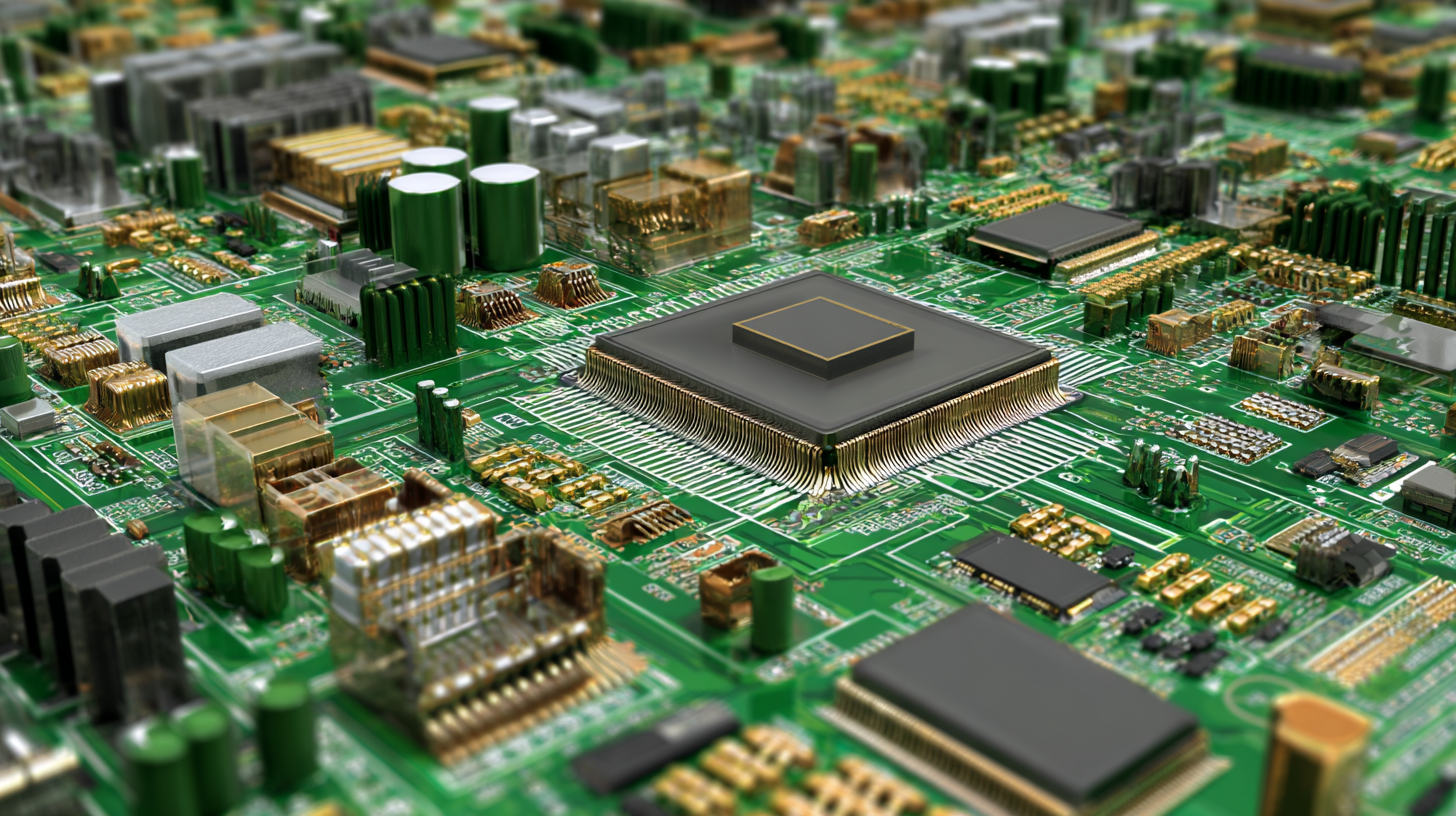
Future Trends in Integrated Circuits Revolutionizing Technology and Innovation for 2024

Emerging Technologies Driving the Next Generation of Integrated Circuits

The world of integrated circuits (ICs) is changing pretty fast these days, thanks to some exciting new technologies that are set to shake things up in 2024 and beyond. You know, breakthroughs in materials science are really opening doors for the next-gen Semiconductors. I came across a report from MarketsandMarkets saying that the global semiconductor market might hit a whopping $1 trillion by 2030—that's a crazy number! A big reason for this surge is the rapid growth in AI and machine learning applications, which demand more powerful and efficient chips to handle all those complex calculations.

And then there's 5G—probably a huge driver behind a lot of these advancements. According to ABI Research, the need for 5G infrastructure is expected to push semiconductor investments at a CAGR of about 23% through 2025. It's all about reducing latency and boosting data speeds, so manufacturers are pushed to come up with innovative IC designs that can keep up with these demands. That’s why we’re seeing new architectures like System-on-Chip (SoC) becoming more important—they’re smaller, more powerful, and perfect for tackling the growing complexity of today’s tech applications.

Impact of AI and Machine Learning on IC Design and Manufacturing

You know, when we talk about AI and machine learning really shaking up the world of integrated circuit (IC) design and manufacturing, it’s honestly pretty mind-blowing—especially as we’re heading into 2024. Recent studies show that AI algorithms are actually making chip production way more efficient. How? Well, they’re great at spotting defects and helping streamline the whole silicon wafer process. For instance, researchers are now using machine learning to sift through tons of data from production lines, which means they can make quick tweaks to cut down waste and boost yields—pretty cool, right?

And things are heating up in the semiconductor scene globally. Countries like China are pouring more and more into next-gen computer chips—actually, their investments are outpacing the US in some areas. They’re really focusing on optical physics and cutting-edge materials, which complicates matters since the US has export controls aimed at keeping some tech under wraps. This whole situation is turning into quite the rivalry, pushing companies to get smarter and faster with AI if they want to keep up on the global stage.

Pro tip: Make sure your IC design teams are working closely with data scientists—they’re the ones who can really unlock AI’s potential for your manufacturing process. It’s a good idea to hold regular training sessions so everyone’s up to speed with the latest in machine learning tech. Also, investing in solid data infrastructure is totally worth it—it gives your AI projects the backbone they need to succeed.

Future Trends in Integrated Circuits Revolutionizing Technology and Innovation for 2024

Sustainability Trends: Eco-Friendly Materials in Integrated Circuit Production

Looking ahead to 2024, it’s pretty clear that the integrated circuit (IC) industry is about to go through some big changes—especially when it comes to sustainability. These days, it’s not just about jumping on a trend; using eco-friendly materials in chip production is quickly becoming a must for anyone who wants to stay innovative. More manufacturers are now exploring options like biodegradable substrates and non-toxic components, all in an effort to cut down on environmental harm without sacrificing performance.

Here's a little tip: if companies want to really embrace more sustainable practices, they should team up with suppliers who share their green mindset. Working together on eco-friendly materials can make the entire supply chain more sustainable — plus, it’s just a smarter move overall.

On top of that, advances in green tech are making big strides in creating chips that use less energy and fewer nasty chemicals. Lots of companies are pouring resources into research aimed at developing new manufacturing methods that waste less and make recycling easier. Not only does this help the planet, but it also sparks fresh ideas for IC design and manufacturing.

Another tip? Companies should keep checking their processes regularly, looking for ways to be more eco-friendly. Sometimes, small tweaks can lead to not just savings, but also a much lighter environmental footprint—talk about a win-win!

The Role of 5G and IoT in Shaping Future IC Architectures

The rapid progress of 5G and the Internet of Things (IoT) is really about to change how we think about integrated circuit (IC) architectures in 2024. With 5G offering lightning-fast speeds and super low latency, the need for smarter, more powerful ICs that can handle massive amounts of data is growing like crazy. These circuits aren’t just about enabling quicker wireless connections; they’re also key players in making real-time data processing a reality across all kinds of devices—whether it’s your smart home gadgets or autonomous cars, it’s all about a smoother experience.

Plus, with billions of IoT devices expected to flood the scene soon, we’re looking at a need for ICs that are energy-efficient and super connected. The future seems to lean towards more modular designs—think easy to customize and scalable—so they can serve a wide range of IoT needs. We’ll probably see more of this edge computingwoven right into the chips themselves, meaning devices will be able to crunch data locally instead of always relying on cloud Servers. All in all, the way ICs are being designed is set to change big time, making everything more responsive andconnected than ever before.

Advancements in Miniaturization: Nanotechnology in Integrated Circuits

You know, 2024 is looking pretty exciting for the tech world with how is really starting to shake up the way we design and build integrated circuits, or ICs for short. As gadgets keep getting smaller but way more powerful, breakthroughs in miniaturization thanks to nanotech mean we’re now able to make chips that are not just tiny but also faster and more energy-efficient. It’s a game-changer! These improvements don’t just boost device performance—they open up all kinds of cool new possibilities in areas like telecom, medical tech, and consumer gadgets.

Future Trends in Integrated Circuits Revolutionizing Technology and Innovation for 2024

Over here at Hua Sheng Bo Ye (Shenzhen) Technology Co., Ltd., we totally get how important these tech leaps are for our industry. We’re all about quality—only sourcing genuine, brand-new original products from trusted manufacturers. Plus, with our dedicated R&D team, we’re always keeping an eye on how nanotechnology can help us improve what we offer. Staying on top of the latest trends in IC innovation isn’t just a strategy for us—it’s how we make sure our customers get the best, most cutting-edge products, backed by the highest standards of quality every single time.

Innovative Applications of Integrated Circuits in Smart Devices and Robotics

Ya know, big things are coming in 2024 with how advanced integrated circuits—those tiny, powerful chips—are gonna shake up smart gadgets and robots. As tech keeps moving forward, these little ICs are getting smaller but way more capable, making products that are smarter and respond quicker. I read in this IDC report that the global market for smart devices might hit a staggering $1 trillion by next year—that just shows how crucial ICs are in fueling this boom. At Hua Sheng Bo Ye (Shenzhen) Technology Co., Ltd., we totally get how important it is to supply only genuine, top-quality components that can keep up with such a rapidly growing market.

When it comes to robotics, those ICs really make a difference by boosting processing power and efficiency. It’s pretty exciting—robots are starting to do more complex stuff with less fuss. Gartner’s latest analysis even says that by 2025, over half of businesses will rely on robotic process automation (RPA) powered by these smart ICs. If you’re thinking of jumping into this tech game, our R&D team is all about crafting cutting-edge solutions that push the limits of what’s possible.

Pro tip: When picking out ICs for your smart devices or robots, don’t forget to check for compatibility and how well they’ll grow with your plans down the line. Paying attention to quality and performance isn’t just about making your product reliable—it’s also about paving the way for future innovations. And honestly, sticking with genuine parts is the best bet for keeping everything running smoothly and sustainably in the long run.

FAQS

: What are the emerging technologies driving the evolution of integrated circuits (ICs) in 2024 and beyond?

: The key emerging technologies include advancements in materials science, AI and machine learning, 5G technology, and nanotechnology, all promising significant changes in IC design and performance.

What is the projected growth of the global semiconductor market by 2030?

The global semiconductor market is projected to reach $1 trillion by 2030, largely driven by advancements in technology that require more powerful and efficient ICs.

How is 5G technology influencing the development of integrated circuits?

The rise of 5G technology is expected to drive a compound annual growth rate of 23% in semiconductor investments through 2025, as manufacturers innovate IC designs to meet demands for low-latency communication and high-speed data transfer.

In what way will IoT influence future integrated circuit architectures?

The proliferation of IoT devices necessitates innovative IC designs focusing on energy efficiency and connectivity, potentially leading to modular architectures that support scalability and customized solutions.

What role does nanotechnology play in the future of integrated circuits?

Nanotechnology advancements enable the miniaturization of ICs, resulting in smaller, faster, and more energy-efficient circuits that enhance device performance across various sectors.

How is Hua Sheng Bo Ye (Shenzhen) Technology Co., Ltd. addressing advancements in integrated circuits?

The company focuses on sourcing and supplying only genuine products while investing in research and development to explore the potential of nanotechnology and stay ahead of industry trends.

What are the expected benefits of integrating edge computing capabilities within future IC designs?

Integrating edge computing within ICs allows for local data processing, reducing reliance on cloud services and enhancing responsiveness, especially for IoT applications.

Why is a compact design increasingly important for modern integrated circuits?

Compact designs enable ICs to handle the increasing complexity of modern applications while also improving energy efficiency, a necessity as technology advances.

How do advancements in AI and machine learning impact the integrated circuit market?

These technologies create a need for more powerful and efficient ICs to perform complex computations, thus driving demand in the semiconductor market.

What are the implications of 5G for user experiences across various applications?

5G technology will enhance user experiences by enabling faster wireless communication and real-time data processing, crucial for applications like smart homes and autonomous vehicles.

Conclusion

Have you read the article 'Future Trends in Integrated Circuits Revolutionizing Technology and Innovation for 2024'? It really dives into how the field of integrated circuits (ICs) is set to totally transform our tech world. You know, with all these new tech innovations coming up, the next-gen ICs are genuinely exciting — especially with artificial intelligence and machine learning taking center stage, making both the design and manufacturing a lot smarter and more efficient. Oh, and there’s also a big push towards eco-friendly materials lately, which is pretty awesome — it’s not just about innovation, but doing it responsibly too.

Plus, the roles of 5G and the Internet of Things (IoT) are super important here, shaping how future ICs will connect and work seamlessly in all our devices. The fabs are also getting tinier — thanks to nanotechnology — which means ICs are becoming more compact and efficient than ever. All these advances are opening up some really cool possibilities, especially for smart gadgets and robotics. Honestly, it feels like integrated circuits are at the brink of leading us into the next wave of tech breakthroughs.

Lila

Lila

Lila is a distinguished marketing professional at Huasheng Boye (Shenzhen) Technology Co., Ltd., where she showcases her extensive expertise in the tech industry. With a keen understanding of the company's innovative products, Lila plays a pivotal role in enhancing the brand's visibility through......
Previous Top 5 Global Import Export Certifications for Sensors