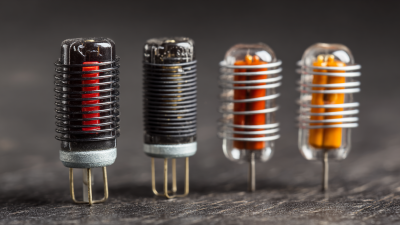
In today’s fast-changing tech world, Integrated Circuits—often just calLEDICs—are pretty much the backbone of modern electronics. They’re crucial in everything from your favorite gadgets to pretty complex industrial machines. Crazy thing is, according to a report by Markets and Markets, the global IC market was valued around $400 billion back in 2020. And get this, it’s expected to top over $600 billion by 2026! That’s a solid growth rate of roughly 6.4% every year. All this points to the huge demand for smaller, more efficient tech gadgets—something brands like Hua Sheng Bo Ye (Shenzhen) Technology Co., Ltd. are really riding the wave on. 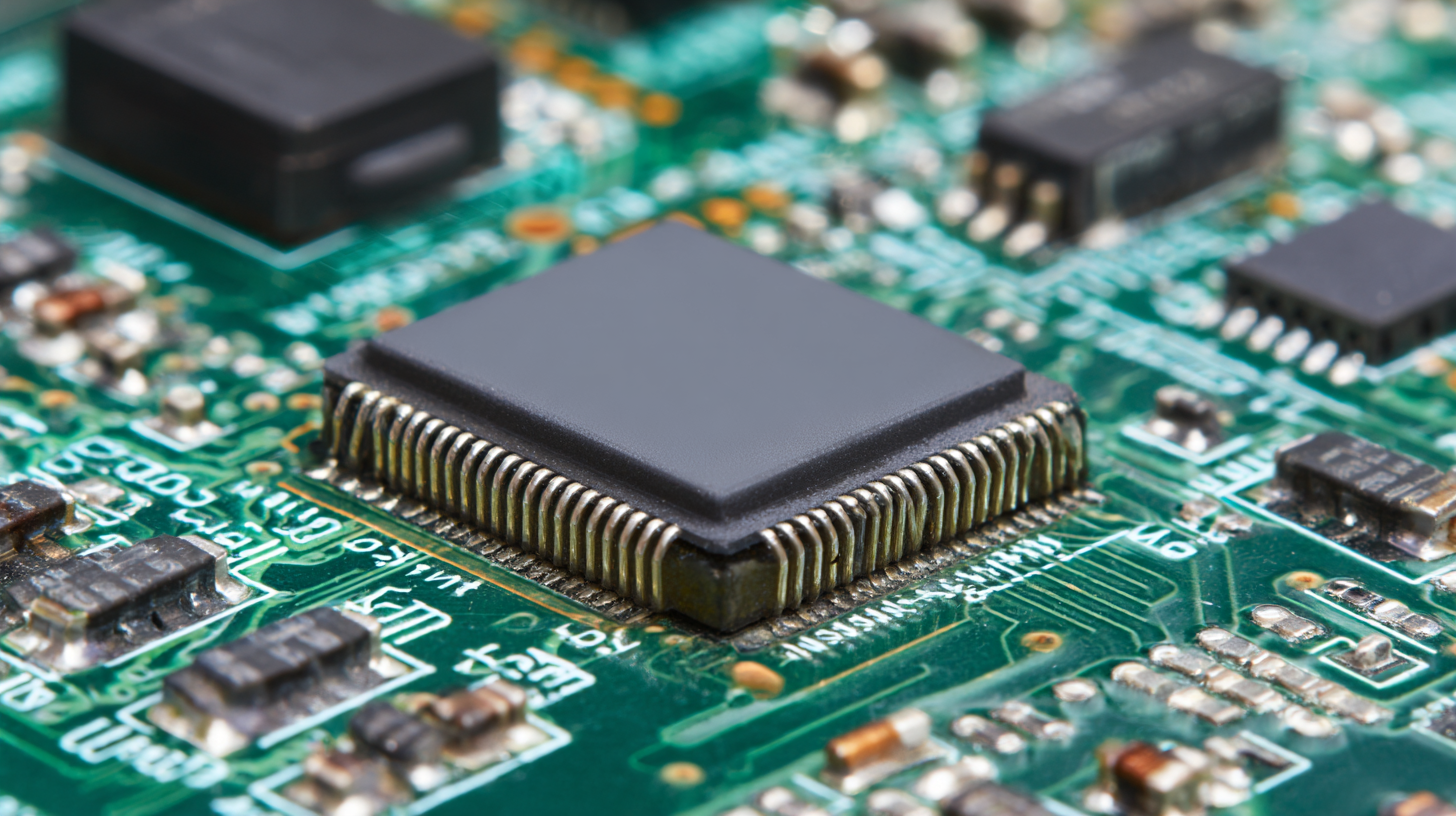 Since they kicked off, they’ve been dedicated to offering genuine, top-quality ICs, thanks to their strong ties with many manufacturers and brands. They’ve got a talented in-house R&D team and a quality control crew, so whether you’re just starting out or a seasoned pro, Hua Sheng Bo Ye’s got your back when it comes to making the most of ICs in your projects.
Understanding the Basics of Integrated Circuits for Beginners
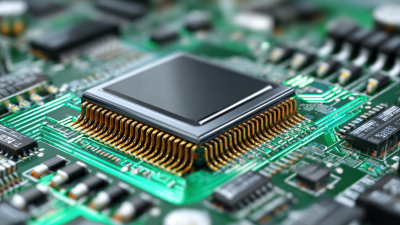
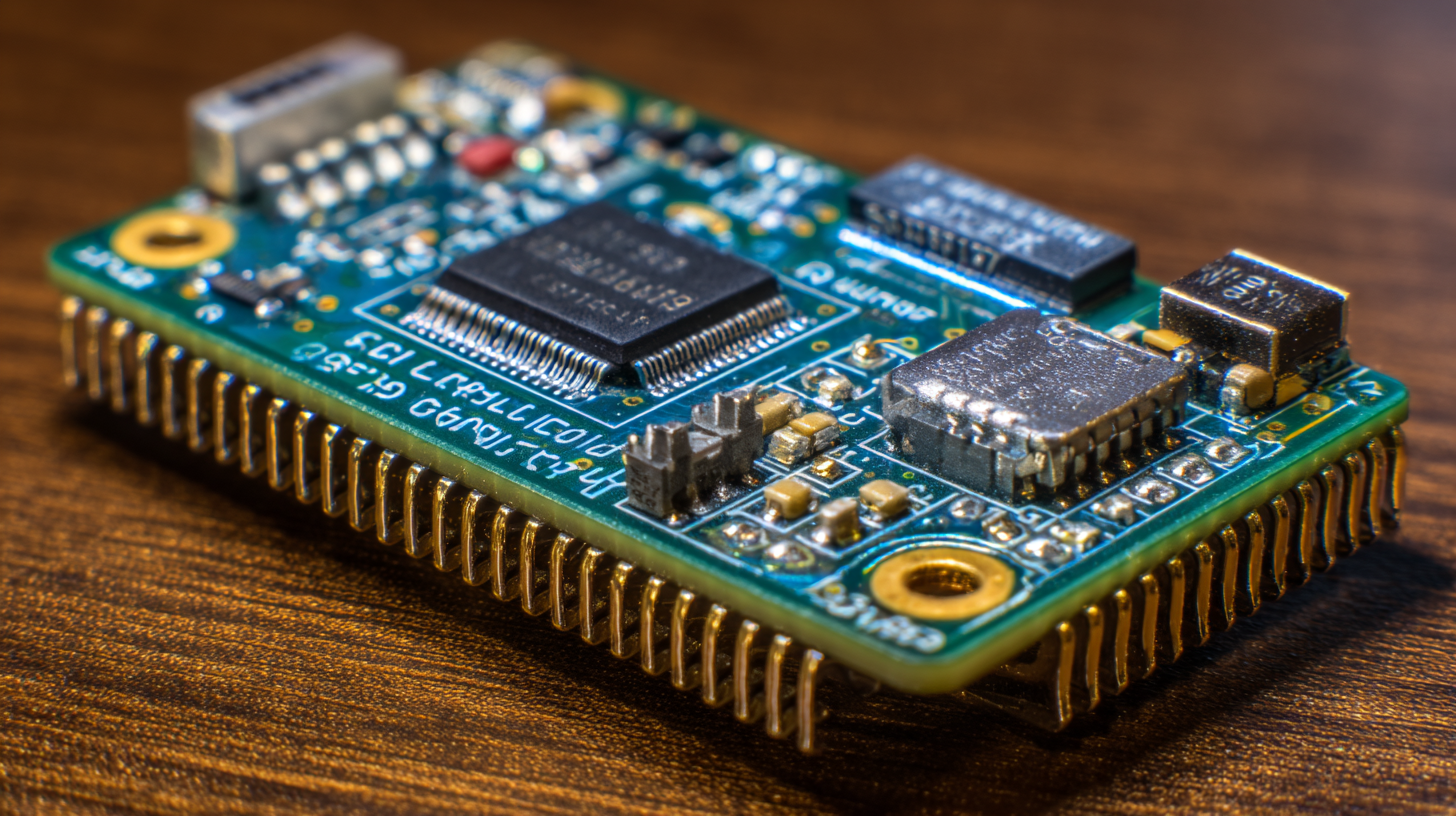 Integrated circuits, or ICs, are pretty much the backbone of modern electronics. They can really boost your projects and are actually a great place to start if you're just getting into the whole electronics world. To get a good grip on what ICs are all about, it helps to understand their main functions and the different types out there. Basically, an IC can pack thousands or even millions of transistors onto a tiny chip, which means they can handle complex tasks while using energy efficiently. That’s the magic behind why ICs are everywhere—from simple microcontrollers you might use in DIY projects to powerful microprocessors in computers.
If you’re new to this, it's also important to get familiar with the main types of ICs: analog, digital, and mixed-signal. Analog ICs are great for boosting or filtering signals, digital ICs do all the logic stuff like AND, OR, NOT gates, etc., and mixed-signal ICs kind of combine both worlds. Taking the time to understand how each of these works and where they’re used can really give you a leg up when designing your own projects. And hey, don’t forget—the practical side of things like drawing schematics or laying out PCBs really helps turn all that theory into something you can actually build. With a bit of hands-on experience, you'll be well on your way to creating more cool, complex electronics ideas.
Types of Integrated Circuits and Their Applications in Projects
Integrated circuits, or ICs, are really the backbone of modern electronics these days. They’re what make a ton of gadgets and devices tick, and come in all sorts of types like Analog ICs, Digital ICs, and Mixed-Signal ICs. For example, you’ll find Analog ICs in things like audio amplifiers and Sensors, where they handle continuous signals—pretty cool, right? Digital ICs are usually the brains behind microcontrollers and microprocessors, working with those discrete digital signals to power all your computing needs. Then there are the Mixed-Signal ICs, which basically combine both analog and digital functionalities. These are perfect for stuff like communication systems where you need both kinds of signals working together seamlessly.
If you’re diving into a new electronic project, here are a couple of tips that might help you out. First off, really take some time to analyze what exactly your project needs. Figure out which type of IC fits best—this can save you a lot of headaches later on. It’s all about understanding what you really need upfront so you can streamline the whole design process and avoid compatibility issues. Also, don’t hesitate to lean on expertise from your R&D team or reach out to suppliers like Hua Sheng Bo Ye (Shenzhen) Technology. They put a big emphasis on quality and authentic parts, so their advice can be a real lifesaver. Picking the right components isn’t just about specs; it’s about making sure everything runs smoothly and is reliable in the long run.
Essential Tools and Equipment for Working with Integrated Circuits
So, if you're diving into electronics projects that involve integrated circuits (ICs), having the right tools is kinda essential. I read a report from the International Electronics Manufacturing Initiative—crazy to think that almost 70% of project failures happen just because folks don’t have the proper gear. Anyway, stuff you definitely wanna have around includes a dependable multimeter—ideally one with data logging so you can track how your circuits are doing over time. A good soldering iron with adjustable temperature is also a lifesaver, especially when working with tiny IC components. And don’t forget a breadboard—great for testing your circuits without soldering everything together permanently, which saves a lot of headaches.
Oh, and here’s a tip: go for a multimeter that records data if you can. It helps a ton when you’re trying to troubleshoot or analyze performance later on. Plus, investing in a solid soldering iron with temp control really makes your life easier—you’ll get more precise joins, especially on those tiny, delicate parts.
Another must-have is an oscilloscope, especially if you want to analyze signals in real time. It's pretty much essential when troubleshooting complex circuits, and interestingly, the oscilloscope market is expected to grow at about 5.2% annually through 2026, which just shows how important these tools are becoming. Also, a small, adjustable power supply can really help when testing different circuit setups. If you gather these basics, I guarantee you’ll feel way more confident and capable tackling even more advanced projects. Trust me, a little prep goes a long way!
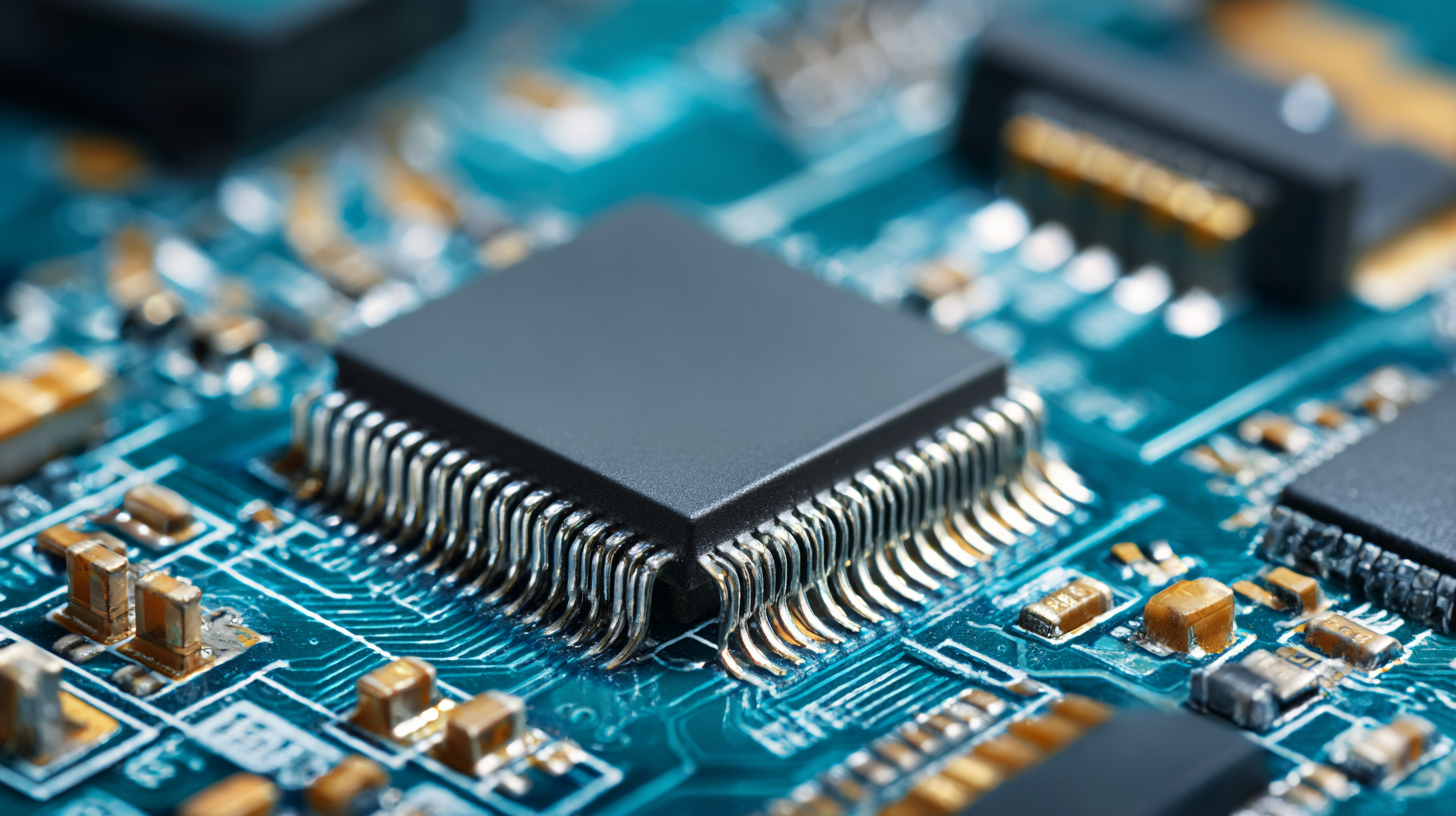
Step-by-Step Guide to Designing Your First Circuit with ICs
Getting started with designing your very first circuit using integrated circuits (ICs) can feel pretty exciting — it's like opening the door to a whole world of electronics possibilities! Honestly, the best way to kick things off is by familiarizing yourself with the basic parts you'll need: Resistors, capacitors, and, of course, the IC itself. If you're new to this, I’d recommend starting with something simple like the 555 timer IC — it’s super versatile and can be used for timers, blinking LEDs, or even creating oscillators.
Next up, gather your tools — grab a breadboard, some jumper wires, and a power supply. This way, you can easily tweak your circuit without a ton of hassle during testing. Once you’ve got everything, it’s a good idea to sketch out a rough schematic to see how everything will connect. Trust me, this step is key because it helps you understand how the electricity flows and what each part does in your design.
When it’s time to build, carefully populate the breadboard based on your schematic, making sure to connect everything properly. Pay attention to the orientation of the IC and how it’s powered — small details like that matter! When you power up your circuit, take some notes on how it behaves, and don’t be afraid to make adjustments or try out different configurations. Hands-on stuff like this not only helps you get the hang of ICs, but it also sparks your creativity as you experiment with new ideas and setups.
Electronic Components Usage in DIY Projects
Common Mistakes to Avoid When Using Integrated Circuits in Projects
When you're just starting out with integrated circuits (ICs) in your electronic projects, it's pretty common to stumble on some critical mistakes that can really mess with how well your design works and how reliable it is. One thing that many beginners overlook is checking the power supply needs of the IC you're using. According to a report from IHS Markit, almost 30% of design failures in electronics are actually caused by issues with power management. It’s super important to take a good look at the datasheet for your IC — make sure the voltage and current levels match what it needs. If you don’t, the component might not perform properly, or worse, it could get permanently damaged.
Another mistake I see often is not paying enough attention to how you connect everything on the board. A study by the Electric Power Research Institute points out that over 40% of signal issues come from poor PCB design. When you're laying out your circuit, try to keep signal traces as short as possible and follow good routing practices — this helps avoid cross-talk and interference. Oh, and don’t forget those decoupling capacitors! Placing them close to the IC’s power pins really helps keep the voltage stable and prevents noise from messing with your circuit’s performance. Basically, if you watch out for these common pitfalls, your chances of nailing your electronic projects get a whole lot better.
Tips for Troubleshooting and Optimizing IC-Driven Electronic Projects
Adding integrated circuits (ICs) into your electronic projects can really boost what your setup can do and improve how it performs. But hey, if you're just starting out, you might hit a few bumps along the way. Don't worry—your first step should be to double-check your connections and make sure every component is snug and properly placed. Loose or faulty connections are pretty common reasons things don’t work right. Also, grabbing a multimeter can really help you spot issues like short circuits or wrong voltage levels quickly—saving you a lot of headache.
Getting your IC-based projects running smoothly isn’t just about fixing bugs; it’s also about making them run better through smart design choices. For example, pay attention to your power supply—your ICs need the right voltage and enough current to do their thing. And don’t forget about heat! Making sure your components don’t overheat with proper dissipation techniques will help them last longer and stay reliable. At Hua Sheng Bo Ye (Shenzhen) Technology Co., Ltd., we’re all about quality. We only offer genuine, brand-new parts straight from trusted manufacturers. Our dedicated R&D and quality control teams are here to support your projects every step of the way, so you can build with confidence using high-quality, dependable ICs.
How to Enhance Your Electronic Projects with Integrated Circuits: A Beginner's Guide - Tips for Troubleshooting and Optimizing IC-Driven Electronic Projects
| Component Type | Functionality | Common Issues | Troubleshooting Tips |
| Operational Amplifiers (Op-Amps) | Signal amplification and filtering | Oscillation or instability in output | Check power supply and feedback connections |
| Voltage Regulators | Stabilizing output voltage | Overheating or inadequate output | Ensure proper heat sinking and input voltage levels |
| Microcontrollers | Processing and control of tasks | Unresponsive behavior or incorrect outputs | Recheck code and power connections |
| Digital Logic ICs | Performing logical operations | Glitches in output signals | Ensure signal integrity and check for proper input states |
| Analog-to-Digital Converters (ADCs) | Converting analog signals to digital | Inaccurate readings or noise | Implement proper filtering and grounding techniques |
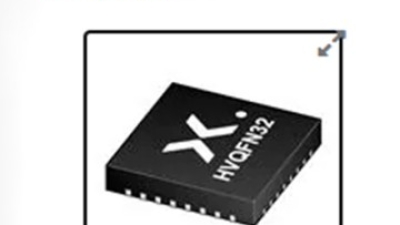
Exploring the NXP OL2381AHN/C0B: A Comprehensive Overview of the 515 Highly Integrated Single-Chip RF Transceiver
The NXP OL2381AHN/C0B is a noteworthy advancement in the realm of RF transceiver technology, specifically designed to cater to the demands of the universal ISM frequency band. Operating below 1 GHz, the OL2381AHN/C0B effectively supports multiple frequency bands, including 315MHz, 434MHz, 868MHz, and 915MHz, making it a versatile solution for global wireless communication applications. According to the recent industry report by MarketsandMarkets, the wireless communication market is expected to grow significantly, reaching $1 trillion by 2025, driven by innovations like this highly integrated transceiver.
One of the standout features of the OL2381AHN/C0B is its robust output power capability of up to 11dBm, ensuring reliable long-distance communication in various applications. This is particularly vital in sectors such as industrial automation and smart home technologies, where consistent connectivity is crucial. Moreover, the data rate of 20kbps offers a balance between performance and efficiency, catering to low-speed data transmission needs that are increasingly prevalent in today’s Internet of Things (IoT) landscape.
Further enhancing its appeal, the OL2381AHN/C0B demonstrates impressive low power consumption metrics, drawing only 14mA during transmission and 16.5mA while receiving. This energy-efficient design is particularly beneficial for battery-powered applications, aligning perfectly with the growing trend towards sustainability in electronic device development. According to the Sustainable Electronics Initiative, over 30% of consumers prioritize low-energy devices, indicating a significant market alignment for this transceiver's specifications.
FAQS
: Integrated circuits are components that can contain thousands to millions of transistors on a single chip, enabling complex processing and efficient energy use in electronic devices.
The main types of integrated circuits are analog ICs, which amplify signals; digital ICs, which perform logical operations; and mixed-signal ICs, which combine features of both analog and digital ICs.
Having the right tools and equipment is crucial for success, as inadequate tools are a major contributor to project failures in electronics.
Essential tools include a multimeter for troubleshooting, a soldering iron for assembling components, a breadboard for prototyping, and an oscilloscope for analyzing signal integrity.
A frequent error is neglecting to verify the power supply requirements of the chosen IC, which can lead to erratic performance or permanent damage.
Poor PCB design can result in signal integrity issues; over 40% of such problems are due to improper layout and connections in circuits.
Decoupling capacitors are used near the power pins of an IC to stabilize voltage levels and prevent noise, ensuring better performance.
Always opt for a multimeter with a data logging feature, which provides historical data on circuit performance and helps in troubleshooting.
Investing in a quality soldering iron with adjustable temperature control can enhance soldering precision, making it easier to work with small components.
An oscilloscope is vital for real-time analysis of signal integrity, which is crucial for troubleshooting and ensuring complex circuits function correctly.
Conclusion
If you're just starting out with electronics and want to get into working with Integrated Circuits (ICs), this beginner's guide is a pretty solid place to start. It walks you through the basics of ICs—covering different types and how they can be used in all kinds of projects. You’ll also find helpful tips on what tools and equipment you'll need to get your hands dirty, along with a simple, step-by-step method to design your very first circuit.
The guide also points out common mistakes to watch out for—because let’s be honest, nobody wants to spend ages troubleshooting simple errors! Plus, there are handy troubleshooting tips and tricks to help you make the most of your IC projects. Honestly, it’s a great resource whether you're just dabbling or getting serious.
And just so you know, here at Hua Sheng Bo Ye (Shenzhen) Technology Co., Ltd., we’re all about quality and authenticity. We make sure to offer genuine products backed by a dedicated R&D and quality control team, so you can trust us as your reliable partner in exploring the world of Integrated Circuits.