Whatsapp:8613480819877
Leave Your Message
0%

Picking out the right Molex Connectors isn't just a matter of flipping through a catalog. It’s more like making a practical choice based on real-world conditions—current, voltage, space constraints, temperature, vibration, and how the equipment is used. Honestly, something that fits perfectly on your workbench could totally fail when it’s inside a vehicle or an industrial box. It’s kind of one of those things that sounds simple but isn’t, you know?

Joe Nelligan, who was CEO of Molex at one point, often talked about how the best tech solutions come from really understanding what customers are dealing with. He’d say, “The best solutions start by knowing how people and systems actually work.” That’s a good rule of thumb when picking connectors, too. Don’t just look at the pin count or housing shape—consider the whole setup. Maybe a tiny Micro-Fit connector fits nicely on a cramped control board. Or, if you’re working near motors, moisture, or lots of movement, a tougher, ruggedized connector might be the smarter choice.

Start by looking at the electrical load. Make sure the current rating and contact resistance meet your needs. Then, double-check details like wire size, how many times the connector can be plugged in and out, locking features, and how you’ll terminate the wires. Don’t forget about temperature limits—plastic housings can change how they behave after years exposed to heat.

The little details really do matter.

In real life, hands-on experience often shows you issues you might not think of in theory. Can technicians reach the latch easily? Will gloves make handling or assembly tougher? Is the cable bend radius practical? These are questions that often come up late in the game—when fixing them means digging into more costs or redesigns. That’s not ideal, but honestly, it’s pretty common.

This guide compares some of the main Molex connector families and helps you see where each one works best. It also looks at how reliable sourcing is, the quality of documentation, and what’s needed for future maintenance. Remember, the “best” connector isn’t always the smallest or cheapest. It’s the one that keeps working reliably, even when things don’t go exactly as planned or your initial assumptions turn out to be off.
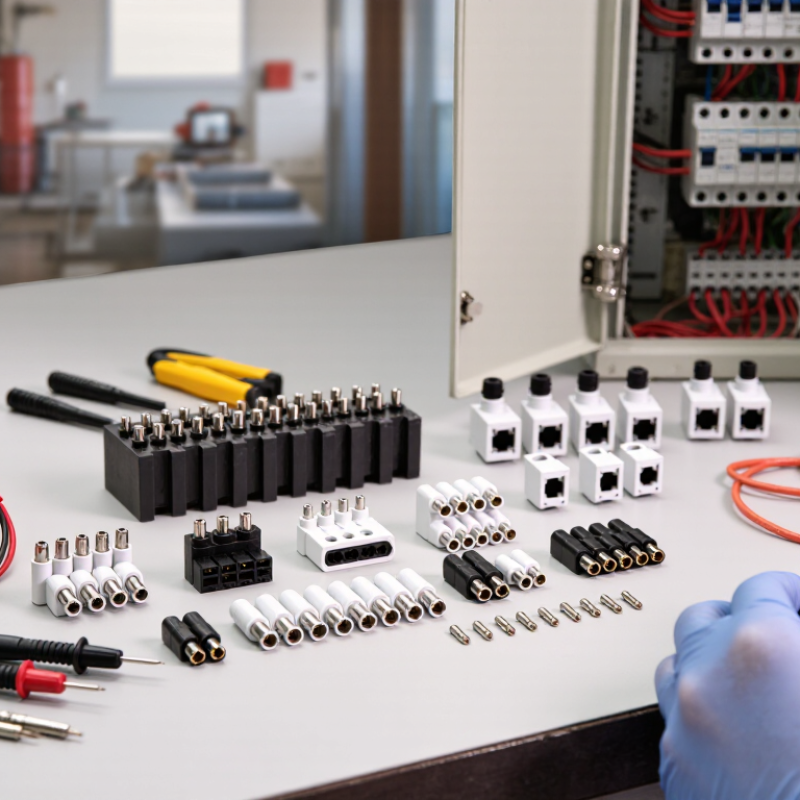
How to Choose the Right Molex Connectors for Your Needs?

Understanding Molex Connector Types and Their Applications

Connector selection starts with application, not appearance. Wire-to-wire types suit harnesses, while wire-to-board types connect cables to circuit boards. Board-to-board versions save space in compact devices. FFC and FPC connectors support thin, flexible assemblies. SeaLED connectors resist dust and moisture in vehicles or outdoor equipment. Circular designs often handle vibration better. Each type solves a different mechanical problem.

Electrical limits matter just as much. Check rated current, voltage, contact resistance, pitch, and mating cycles. A 2.54 mm pitch may fit a control panel, but it can waste space in a wearable device. A 0.5 mm pitch saves room, yet assembly becomes less forgiving. Bishop & Associates reported global connector industry sales near US$84 billion in 2023. MarketsandMarkets forecasts continued growth through 2029, driven by vehicles, automation, and data equipment. These figures show demand, not proof that every connector is suitable.

Tips: Measure the housing first. Confirm wire gauge and crimp tooling. Then test heat, vibration, and humidity. Leave service access around the latch. I have seen prototypes fail because the connector technically fit, but the cable bent sharply. That mistake is easy to repeat. Also, datasheet values may assume ideal conditions. Real installations are rarely ideal. Test the complete assembly before approval.

How to Choose the Right Molex Connectors for Your Needs? – Understanding Molex Connector Types and Their Applications

Connector Type Typical Pitch Typical Contact Count Typical Current per Contact Typical Voltage Rating Best-Fit Applications Key Selection Factors
Wire-to-Board, Low-Profile 0.80–1.50 mm 2–20 0.5–3 A 30–125 V AC/DC Compact consumer electronics, displays, sensors, and control panels Available space, cable orientation, mating height, and signal density
Wire-to-Board, General Purpose 2.00–3.96 mm 2–24 2–10 A 125–300 V AC/DC Industrial controls, appliances, lighting, and office equipment Wire gauge, current load, PCB layout, polarization, and terminal retention
Board-to-Board 0.40–2.54 mm 10–200+ 0.3–3 A 30–250 V AC/DC Stacked circuit boards, embedded systems, computers, and communication equipment Stacking height, alignment tolerance, contact wipe, impedance, and mechanical support
Power Wire-to-Wire 3.00–6.35 mm 1–12 10–50 A 250–600 V AC/DC Power distribution, battery systems, motor equipment, and industrial machinery Conductor size, temperature rise, touch protection, locking strength, and creepage distance
Signal and Sensor Connector 1.00–3.96 mm 2–16 0.5–3 A 30–125 V AC/DC Temperature, pressure, position, flow, and proximity sensors Low contact resistance, noise immunity, sealing, vibration resistance, and coding
Sealed Automotive-Style Connector 2.00–6.00 mm 2–48 3–30 A 12–60 V DC Vehicle lighting, engine compartments, body electronics, and outdoor equipment Ingress protection, temperature range, terminal position assurance, and vibration performance
High-Speed Data Connector 0.50–2.00 mm 4–80+ 0.5–1.5 A 30–100 V AC/DC Networking equipment, storage systems, industrial computers, and communication modules Differential-pair geometry, impedance control, crosstalk, shielding, and insertion loss
Flexible Cable or Flat-Flex Connector 0.30–1.00 mm 4–60 0.2–1 A 30–100 V AC/DC Displays, cameras, printers, medical devices, and compact instruments Cable thickness, contact direction, flex-cycle life, retention force, and assembly clearance

Note: Electrical ratings are representative design ranges. Always verify the exact connector datasheet, wire size, derating curve, safety standard, and environmental requirements before final selection.

Defining Electrical, Mechanical, and Environmental Requirements

Choosing the right connector starts with defining the electrical load, not the connector’s appearance. Record the operating voltage, continuous current, inrush current, and signal frequency. A connector rated for ten amperes may require derating inside a warm enclosure. Contact resistance also matters. Even a small increase can create noticeable heat across many circuits.

Mechanical requirements deserve equal attention. Measure the available space, cable exit direction, and required mating cycles. Check the terminal pitch carefully. A compact design may save board space but complicate assembly and inspection. Locking features should resist vibration without demanding excessive insertion force. I once selected a connector by footprint alone. The housing fit perfectly, but the cable bend radius failed during testing.

Environmental conditions can change the decision completely. Specify temperature extremes, humidity, dust, chemicals, and vibration exposure. Outdoor equipment may need sealing, while factory machinery may need stronger strain relief. Confirm housing materials and contact plating against the expected environment. Do not trust a generic “industrial” label.

Review the datasheet, application notes, and relevant test reports. Then test samples in the real assembly. Measure temperature rise under maximum load. Cycle the connector repeatedly. Apply vibration when practical. A laboratory result may not match a crowded enclosure. That gap deserves honest attention. Some requirements will remain uncertain until the first prototype is built.

Matching Connector Specifications to System Performance

Choosing Molex Connectors should begin with system performance, not connector appearance. Define the required voltage, current, signal frequency, wire gauge, and operating temperature. A compact housing may save space, but undersized contacts can create heat and voltage loss. Check the datasheet carefully.

During design reviews, compare contact resistance, insulation rating, creepage distance, and mating-cycle performance. These details directly affect reliability. For equipment exposed to dust, moisture, or vibration, select an appropriate sealing and locking structure. A connector that fits mechanically may still fail electrically. Test it under realistic conditions.

I recommend measuring temperature rise at the highest expected load. Inspect the connection after repeated mating, cable movement, and vibration testing. Confirm the terminal plating matches the environment, especially where humidity or corrosive gases are present. Follow recognized safety standards and verify the supplier’s test evidence. Laboratory results are useful, but installation details can change performance. A sharply bent cable may stress the contacts. Small errors matter.

Do not rely on nominal ratings alone. Apply derating when several circuits share a housing or when airflow is limited. In one prototype, the selected connector met the current rating, yet the nearby enclosure raised its operating temperature. The design worked, but not comfortably. Rechecking spacing, strain relief, and service access would have prevented that compromise.

How to Choose the Right Molex Connectors for Your Needs?

Matching connector specifications to system performance

Higher-density signal systems typically use smaller contact pitches and lower current per contact, while power-focused systems require larger pitches and higher current capacity. The values below represent common engineering reference targets; final selection should be verified against the connector datasheet, temperature rise, wire size, mating cycles, and safety requirements.

Evaluating Contact Layouts, Materials, and Termination Methods

How to Choose the Right Molex Connectors for Your Needs?

Evaluating Contact Layouts, Materials, and Termination Methods

Choosing a connector starts with the contact layout, not the product image. Count signal, power, and ground positions separately. A two-row layout can save board space, but it may complicate probing and repair. Confirm the pitch against your assembly tools and enclosure limits. Fit matters.

Material selection affects heat, corrosion, and long-term contact stability. Copper alloys usually provide reliable conductivity when properly plated. Gold plating suits repeated mating and low-level signals, while tin can be practical for cost-sensitive, fixed connections. Check the rated temperature, current, and mating cycles in the datasheet. Do not assume a shiny finish means better performance.

Termination method should match the production environment. Crimp contacts support consistent harness work when tooling is calibrated. Solder connections remain useful for prototypes, but heat can damage insulation or nearby components. Press-fit options may reduce reflow steps, yet they demand accurate hole sizes and insertion force. TE Connectors may appear in search results, but compare specifications rather than relying on the name. I once selected a compact connector that passed bench tests and failed during vibration testing. The latch was too weak. A small mistake. Test the complete assembly under movement, temperature changes, and expected service conditions. Keep notes. A qualified engineer should review unclear ratings before approval.

Checking Compatibility, Installation, and Maintenance Needs

Choosing the right connector starts with compatibility, not appearance. Check the circuit’s voltage, current, wire gauge, pitch, and housing dimensions. The mating connector must match precisely. A small mismatch can cause heat, signal loss, or intermittent operation. Review the manufacturer’s datasheet and confirm terminal materials, keying, and contact ratings before ordering. Search terms such as Te Connectivity Amp Connectors may lead to useful product references, but specifications matter more than labels.

Installation quality affects long-term reliability. Strip wires evenly and avoid nicking the conductor. Use the correct crimp tool for the terminal, then perform a gentle pull test. The wire should not slide out. Keep pins aligned during mating. Never force the housing. I once trusted a connector that looked compatible, but its locking tab did not fully engage. That mistake required rework. A visual check would have caught it earlier.

Maintenance needs depend on the working environment. Inspect connectors exposed to dust, moisture, vibration, or repeated movement. Look for corrosion, loose terminals, cracked housings, and darkened contacts. Clean only with approved materials, and disconnect power before inspection. Record inspection dates and failure patterns. This helps reveal problems that casual checks may miss. In harsh areas, protective seals and strain relief deserve extra attention. Even a well-installed connector can fail when the cable bends sharply beside the housing.

Comparing Reliability, Compliance, Availability, and Total Cost

Choosing the right Molex connector starts with the failure you cannot afford. In production, I check mating cycles, contact resistance, vibration exposure, and locking strength. A connector may feel solid on a workbench yet loosen inside a moving machine. Sealed housings matter near coolant, dust, or humidity. Small details matter. Reliability is observed performance under real stress.

Compliance should match the product’s destination, voltage, temperature, and materials. Request current datasheets, test reports, and traceable revision records before approval. Compare Molex connectors with Te Connectivity Connectors only by equivalent ratings, not catalog appearance. A familiar part can still fail a creepage, flammability, or environmental requirement. I have seen teams assume compliance from a supplier’s short description. That assumption was expensive to correct. Verify it early.

Availability affects design more than many engineers expect. Check authorized stock, lead times, minimum orders, and approved alternatives. Then calculate total cost, including tooling, assembly labor, inspection, returns, and redesign risk. The cheapest unit price may create costly delays. A slightly higher-priced connector can protect production continuity. Still, the calculation is not perfect. Forecasts change, and substitutes may need fresh testing. Document those uncertainties, review them with manufacturing, and choose the part your supply chain can realistically support.

FAQS

What electrical details should I define before choosing a connector?

Record operating voltage, continuous current, inrush current, and signal frequency.

Why can a connector require current derating?

Warm enclosures reduce safe current capacity.

Which mechanical measurements matter during selection?

Measure available space, cable exit direction, terminal pitch, and required mating cycles.

How should I evaluate locking and mating features?

The lock should resist vibration without requiring excessive insertion force.

What environmental conditions should influence connector selection?

Consider temperature, humidity, dust, chemicals, vibration, and repeated cable movement.

How can I confirm connector compatibility?

Match voltage, current, wire gauge, pitch, housing dimensions, keying, and terminal materials.

What installation practices improve connector reliability?

Strip wires evenly without nicking conductors.

How should connectors be inspected and maintained?

Inspect for corrosion, loose terminals, cracked housings, and darkened contacts.

How should reliability, compliance, and cost be compared?

Compare mating cycles, contact resistance, vibration performance, locking strength, and sealing.

Should I test samples before approving a connector?

Yes. Test samples inside the real assembly, not only in a laboratory setup.

Conclusion

Choosing the right Molex Connectors begins with understanding the available connector types and their intended applications. Start by defining the system’s electrical requirements, including voltage, current, signal integrity, and contact density. Then consider mechanical factors such as space, mating cycles, locking features, vibration resistance, and installation constraints. Environmental conditions, including temperature, moisture, dust, and chemical exposure, should also guide the selection process.

Next, compare connector specifications with the system’s performance goals. Evaluate contact layouts, material choices, plating options, and termination methods to ensure dependable power or signal transmission. Confirm compatibility with existing components, tools, wiring, and maintenance procedures before installation. Finally, assess reliability, required compliance standards, product availability, replacement options, and total ownership cost. A balanced decision should provide stable performance, practical installation, long service life, and value throughout the connector’s operating period.
Lila

Lila

Lila is a distinguished marketing professional at Huasheng Boye (Shenzhen) Technology Co., Ltd., where she showcases her extensive expertise in the tech industry. With a keen understanding of the company's innovative products, Lila plays a pivotal role in enhancing the brand's visibility through......
Previous 10 Best Molex Connectors for Global Buyers?