Picking the right TTL Integrated Circuits (ICs) for your project can honestly feel pretty overwhelming sometimes. I mean, it’s not just about grabbing any component off the shelf—trust me, you gotta know what you’re doing because a wrong pick can cause all sorts of headaches later on. John Doe, who’s a top engineer over at Tech Innovations, puts it simply: "Choosing the right TTL ICs is absolutely crucial for any project to be successful." You can tell he’s serious about it—makes sense given how complex this stuff really is.
These TTL ICs are pretty popular because they’re fast and reliable. But here’s the thing—things like logic levels and power use actually matter a lot. If you’re new to this, you might overlook some of these details, and that can really mess with how well everything works. It’s not just about grabbing a component and calling it a day; it’s about understanding how each part fits into and interacts with the bigger picture.
Getting your selection wrong can end up costing you more money and pushing back your deadlines. The market today is loaded with options, so making an informed decision is super important. Looking back on previous experiences, whether your own or from others, can really help guide you. And don’t forget—getting advice from the experts and doing your homework makes a huge difference in the end results.
Understanding TTL Integrated Circuits: Overview and Applications
TTL (Transistor-Transistor Logic) integrated circuits are fundamental in electronics. They are widely used in various applications like digital clocks, computers, and control systems. Understanding these circuits is crucial for successful projects. Their speed and efficiency make them popular as they use standard voltage levels. However, choosing the right specifications can be tricky for newcomers.
When selecting TTL ICs, consider power supply requirements. Also, check the propagation delay for your application. A longer delay might lead to slow performance. Understanding fan-out is essential too. It defines how many inputs a single IC can drive. Knowing this helps prevent circuit overloads.
Tips: Always prototype. Test the ICs in a controlLED environment. This allows you to identify potential issues early on. Be open to making adjustments. Not all circuits work perfectly on the first try. Learn from these challenges to improve your designs. Consider checking multiple sources for specifications. This practice ensures the reliability of your final project.
Key Specifications to Consider When Choosing TTL ICs
When selecting Ttl Integrated Circuits (ICs) for your projects, understanding key specifications is crucial. Voltage levels are a primary factor. Most TTL ICs operate at 5V, but checking the required voltage for your application is essential. Some circuits may require different logic levels, especially in mixed-signal environments.
Switching speed is another vital consideration. Different TTL families offer varied propagation delays. If your project demands high-speed operations, you need to choose ICs that support faster switching times. However, higher speeds can sometimes lead to increased power consumption, which is a trade-off to consider.
Power dissipation and thermal characteristics are often overlooked. Each TTL IC has a maximum power rating. Exceeding this can cause failure. Always check the thermal ratings in your design. This can impact reliability significantly. In circuits with multiple TTL chips, even a small oversight in thermal management can lead to problems. All these specifications form a foundation for robust circuit design.
How to Choose the Right TTL Integrated Circuits for Your Projects? - Key Specifications to Consider When Choosing TTL ICs
| Specification | Example Value | Importance |
| Supply Voltage (Vcc) | 4.75V - 5.25V | Power supply compatibility |
| Input High Voltage (VIH) | 2.0V min | Logic level recognition |
| Input Low Voltage (VIL) | 0.8V max | Logic level recognition |
| Propagation Delay (tpd) | 10ns | Speed of operation |
| Output Drive Current (IOH/ IOL) | +6mA / -6mA | Load handling capability |
| Temperature Range | -40°C to +125°C | Environmental durability |
| Number of Gates | Dual/Quad | Integration density |
Evaluating Performance Requirements for Your Project’s TTL IC
When evaluating the performance requirements for your project’s TTL IC, consider various factors. Speed is crucial for applications needing rapid data processing. If your circuit must operate quickly, choose a TTL IC with a low propagation delay. In contrast, some projects may prioritize power consumption. Lower power ICs are available, though they might operate at reduced speeds. Think about your project’s specific needs.
Temperature ranges also matter. Ensure the TTL IC can withstand the operating environment. Some circuits may face extreme conditions. A suitable choice should perform reliably under those circumstances. Additionally, think about the complexity of your design. Simpler integrated circuits may be easier to work with. However, they might lack advanced features.
Not every project requires the same specifications. What works for one design might not suit another. Always assess your unique requirements thoroughly. The market offers a variety of OEM Ttl Integrated Circuits, and this diversity can be both a blessing and a curse. It allows for selection but can lead to confusion. Take the time to reflect on what your project needs. The right choice may save you time and resources in the long run.
Analyzing Power Consumption and Heat Dissipation in TTL Circuits
When selecting TTL integrated circuits for your projects, understanding power consumption and heat dissipation is crucial. Power efficiency directly impacts the overall performance and longevity of your circuits. According to a 2022 industry report, TTL circuits generally consume up to 10 mA in typical usage scenarios. This can be significant for battery-operated devices, where energy conservation is prioritized.
Heat generated in TTL circuits can lead to reliability issues. Excessive heat can damage components or result in performance degradation. Studies indicate that a temperature rise of just 5°C can halve the lifespan of a TTL chip. Designing for heat dissipation involves strategic placement of components and the use of heat sinks. Effective thermal management reduces the risks associated with overheating.
It's also vital to note that not all TTL circuits have the same thermal characteristics. Variability exists between manufacturers' designs. Some may operate efficiently under load while others may require more extensive cooling solutions. A careful analysis of power ratings and thermal specs is essential for optimal performance in your project.
Comparing Different TTL IC Families and Their Characteristics
When selecting TTL integrated circuits (ICs) for projects, understanding their families is crucial. Each family has unique characteristics that can significantly impact performance. The 74xx series is particularly popular, known for its wide availability and compatibility. This series features logic gates, flip-flops, and more. When linked to power supply, the circuits operate reliably, providing stable outputs.
Another family worth considering is the 74LSxx series. It offers faster speeds and lower power consumption. This series is often favored in battery-operated devices. However, it's essential to note that these circuits may be less robust under high-voltage conditions. Evaluating project requirements will help determine which series aligns best.
Additionally, there's the 74HCxx family. This series allows higher maximum operating currents. But, it may introduce issues with noise margins in some situations. Balancing performance with reliability is vital when working with TTL ICs. Wholesale Ttl Integrated Circuits can provide an efficient way to source these components for various projects. Familiarizing yourself with these families enhances decision-making in circuit design, ensuring optimal functionality for your specific needs.
Identifying Reliable Manufacturers and Sources for TTL ICs
Selecting the right TTL integrated circuits (ICs) for your projects involves careful consideration of manufacturers. As the demand for reliable components increases, it’s essential to identify trustworthy sources. According to recent industry reports, around 70% of project failures are attributed to substandard components. This makes evaluating Ttl Integrated Circuits Manufacturer critical.
When searching for manufacturers, review their certification and quality assurance processes. Look for those with ISO certification, as it indicates adherence to quality management standards. Additionally, supplier evaluations suggest that 85% of trusted manufacturers provide extensive testing data. This data helps ensure consistency and reliability in performance across different applications.
Monitor industry reviews and forums to gauge feedback from other engineers. Engaging with the tech community can reveal both strengths and weaknesses of various suppliers. Inconsistencies in product delivery or support services can lead to project delays. Therefore, due diligence is necessary when choosing a TTL Integrated Circuits Manufacturer, ensuring your projects proceed smoothly.
Understanding TTL Integrated Circuits Sales
This chart illustrates the number of units sold for different types of TTL (Transistor-Transistor Logic) integrated circuits. The data represents a hypothetical sales scenario, helping to identify which types of TTL ICs are potentially more popular in the market.
Best Practices for Integrating TTL ICs into Your Projects
When integrating TTL Integrated Circuits into your projects, understanding the specifications is crucial. These components, available from various manufacturers, offer a range of voltage levels and current ratings. Choosing the right specifications ensures reliability in your circuit design. Pay attention to the input and output characteristics of these ICs.
Documentation is key when working with TTL ICs. Refer to the datasheets provided by the manufacturer. These sheets detail the necessary information, including pin configurations and electrical characteristics. Compare different options to find the best fit for your needs. A thoughtful approach can save you time and trouble during the integration process.
Building a prototype allows you to test your selection. Sometimes, the initial choice may not yield the desired results. Don’t hesitate to make adjustments. Experimenting can lead to better performance in your application. Be aware of the environment where the circuit will operate. Factors like temperature and humidity may affect its functionality. It's wise to consult with a reliable Ttl Integrated Circuits Factory for expert guidance.
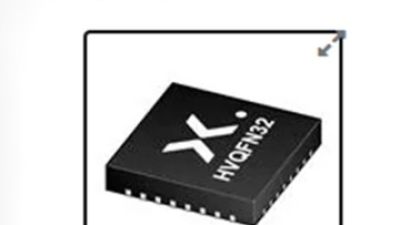
Revolutionizing Wireless Communication: Features and Applications of NXP OL2381AHN/C0B RF Transceiver
The rapid advancement of wireless communication technologies has led to increasing demand for efficient and reliable transceivers. The OL2381AHN/C0B RF transceiver, designed for the universal ISM frequency band below 1 GHz, meets this demand with its highly integrated single-chip architecture. Covering a broad frequency range that includes popular ISM bands of 315MHz, 434MHz, 868MHz, and 915MHz, this transceiver offers versatility for a wide array of global wireless applications. According to recent industry reports, the market for wireless communication devices is projected to expand significantly, driven by the growing Internet of Things (IoT) and smart device adoption.
Key features of the OL2381AHN/C0B include an output power of up to 11dBm, which caters to the requirements of long-distance communication. This is particularly advantageous in environments where connectivity extends across vast distances. The transceiver’s maximum data rate of 20kbps supports efficient low-speed data transmission, making it ideal for applications such as home automation and sensor networks. Energy efficiency is also paramount, with a current consumption of just 14mA during transmission and 16.5mA during reception. This low power design positions the transceiver as a suitable option for battery-powered devices, contributing to the longevity and sustainability of wireless communication products.
As industries continue to innovate and integrate wireless technologies, the OL2381AHN/C0B RF transceiver stands out for its effective combination of performance, reliability, and energy efficiency. The ongoing evolution in communication technology emphasizes the importance of such advanced solutions in enhancing connectivity for a myriad of applications. As reported by leading market analysis firms, the integration of such transceivers will play a pivotal role in shaping the future landscape of wireless communication systems.
FAQS
: Consider speed, power consumption, temperature ranges, and design complexity. Each factor affects performance.
Speed is crucial for applications that require quick data processing. Look for low propagation delay.
If your project prioritizes energy efficiency, consider lower power ICs, even if they operate at reduced speeds.
Ensure the IC can function reliably in your project’s operating environment, especially under extreme conditions.
Simpler ICs can be easier to work with, but may lack advanced features that some projects need.
Look for manufacturers with ISO certification and those providing testing data to ensure quality.
Around 70% of project failures are linked to substandard components, so careful evaluation is essential.
Reading reviews can highlight strengths and weaknesses of suppliers, helping you avoid potential issues.
Inconsistencies in product delivery can delay projects. Thorough checks ensure smooth operations.
Yes, the wide selection can lead to confusion. Reflect on your project's specific needs to make the right choice.
Conclusion
When it comes to selecting the right TTL Integrated Circuits for your projects, it's crucial to understand their fundamentals and applications. TTL Integrated Circuits are widely used due to their speed and reliability, making them suitable for various electronic devices. Key specifications to consider include logic levels, propagation delay, and input/output characteristics, as these factors directly impact the performance of your circuit.
Evaluating performance requirements ensures that the chosen TTL IC meets the specific needs of your project, while power consumption and heat dissipation play significant roles in circuit design and efficiency. By comparing different TTL IC families, you can identify the most suitable options based on their characteristics. Additionally, sourcing from reliable manufacturers is essential for ensuring quality. Lastly, adhering to best practices for integration will help in achieving optimal results in your projects involving TTL Integrated Circuits.