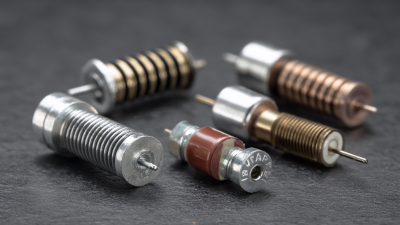
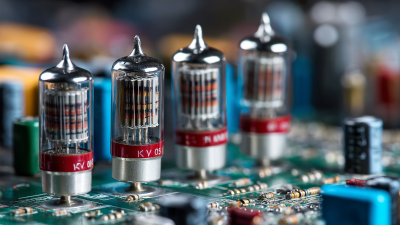
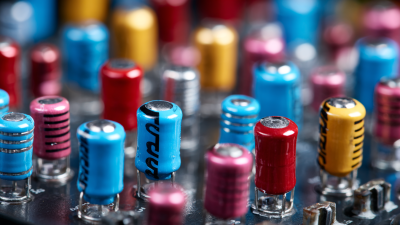
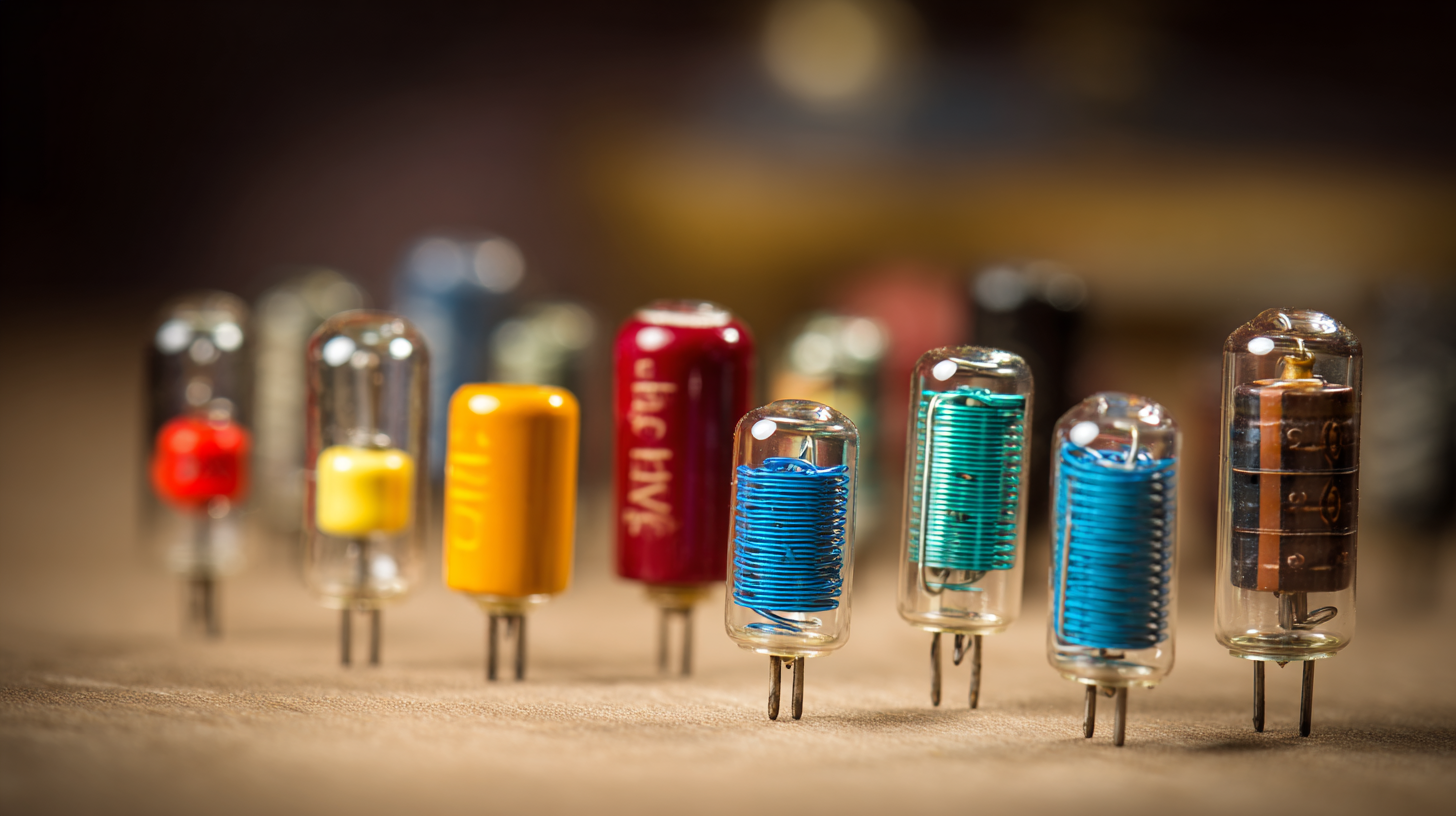
In the fast-changing world of electronics, Resistors are absolutely essential for keeping circuits running smoothly and stably. I recently came across a report from Market Research Future that says the worldwide resistor market is expected to hit around USD 2.55 billion by 2027. That’s pretty impressive, especially with all the new tech innovations and growing demand from sectors like automotive, consumer gadgets, and telecom. When companies are on the hunt for dependable parts, it really pays to get familiar with the different types of resistors out there. At Hua Sheng Bo Ye (Shenzhen) Technology Co., Ltd., we focus on quality above everything else — that means genuine, brand-new original products, supported by our strong R&D and quality control teams. This guide is meant to help you explore the various resistor options, so you can pick what's best for your project while navigating through a market full of choices.
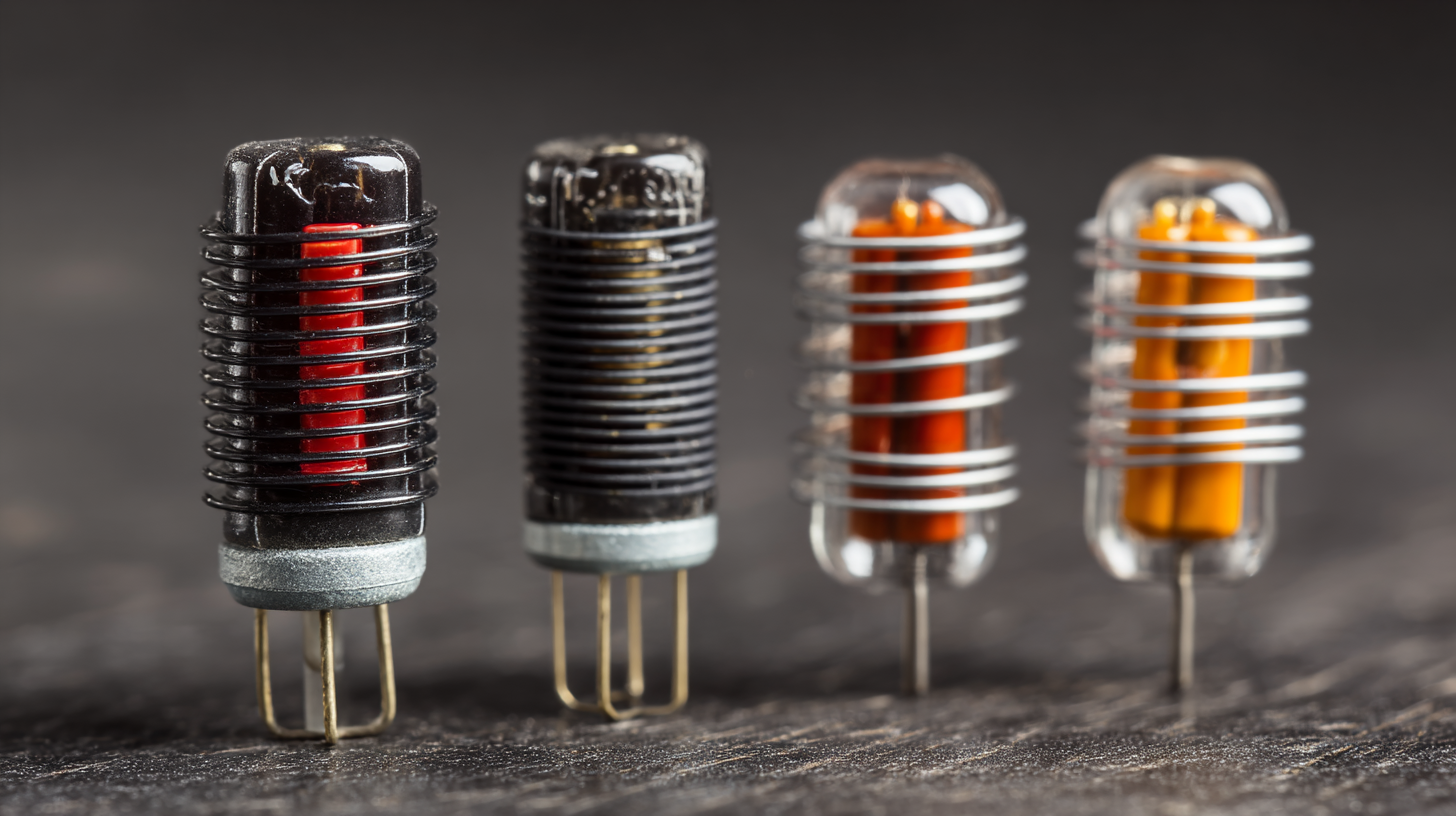
As we get closer to 2025, it’s pretty clear that some new trends in resistor technology are starting to emerge. These shifts are really influenced by what's happening on the global economic stage—things like trade tensions and rising bond yields are making the market a bit unpredictable. Because of that, there's a real rush to develop more efficient and innovative electronic components, especially resistors. According to recent industry reports, the global resistor market is heading towards more eco-friendly and compact designs. People are increasingly caring about sustainability just as much as performance, so companies are adapting accordingly.
On the healthcare front, we’re seeing some game-changing advancements thanks to precision medicine and cutting-edge tech. This evolution is set to shake up the industry quite a bit. As medical devices become smarter and more complex, they’ll need resistors that can perform reliably even under tough conditions. With AI-enabLED diagnostics and telemedicine becoming more common, the demand for resistors that are super precise and durable is growing. All this ties into a bigger trend: we’re trying to make healthcare more engaging for patients while also streamlining systems, which means resistor technology will need to keep up with these innovations.
And of course, sustainability is still a huge deal across all sectors—including resistors. Reports highlight that manufacturers are pushing to create resistors that not only perform well but also have a lighter environmental footprint. This reflects a broader move toward greener practices in tech, encouraging collaboration and fresh ideas to meet the needs of a changing market come 2025. It’s an exciting time for innovation, for sure.
You know, the rise of smart resistors really marks a major turning point in modern electronics. These little gadgets, packed with advanced tech, let us control electrical resistance with pretty crazy precision, making devices more adaptable to the changing conditions around them. I recently came across a report from MarketsandMarkets — yeah, the guys who always have the latest numbers — and it said that the smart resistor market’s expected to jump from $2.5 billion in 2022 all the way up to around $5.6 billion by 2027. That’s a solid annual growth rate of about 17.5%. A big part of this growth? The rising demand for energy-efficient gadgets across industries like cars, telecom, and consumer electronics. And honestly, that makes a lot of sense — everyone’s trying to cut down on energy waste these days, right?
Plus, smart resistors aren’t just about efficiency. They actually help improve how we manage energy overall. They give real-time info on resistance levels and can even detect faults early on, which means devices last longer and waste less energy. I read a study in the IEEE Transactions on Instrumentation and Measurement — pretty reputable stuff — and it turns out that using smart resistor tech can save up to 30% of energy in some electronic applications. As we’re all trying to go greener and be more sustainable, adopting these smart components not only helps companies meet new standards but also satisfies consumers who want reliable, efficient gadgets that won’t let them down.
When you're trying to pick the best resistor for different projects, it’s pretty clear that carbon, metal film, and wirewound resistors each have their own quirks and strengths. Carbon resistors are usually the go-to if you're on a budget—they're cheap and small, which makes them perfect for basic stuff and consumer gadgets. In fact, a report by Yole Développement suggests that the market for these bad boys is gonna keep growing at around 4% per year over the next five years, mainly because there's more demand for low-power devices nowadays.
On the flip side, metal film resistors are the pros’ choice when precision and stability really matter. They’re great in circuits where accuracy is crucial—think high-end instrumentation or reliable equipment. These resistors can have temperature coefficients as low as ±10ppm/°C, which isn't bad at all. Lately, you’ll see a lot more metal film resistors popping up in automotive and aerospace stuff, and their market is expected to hit over $1 billion by 2025. Pretty impressive, huh?
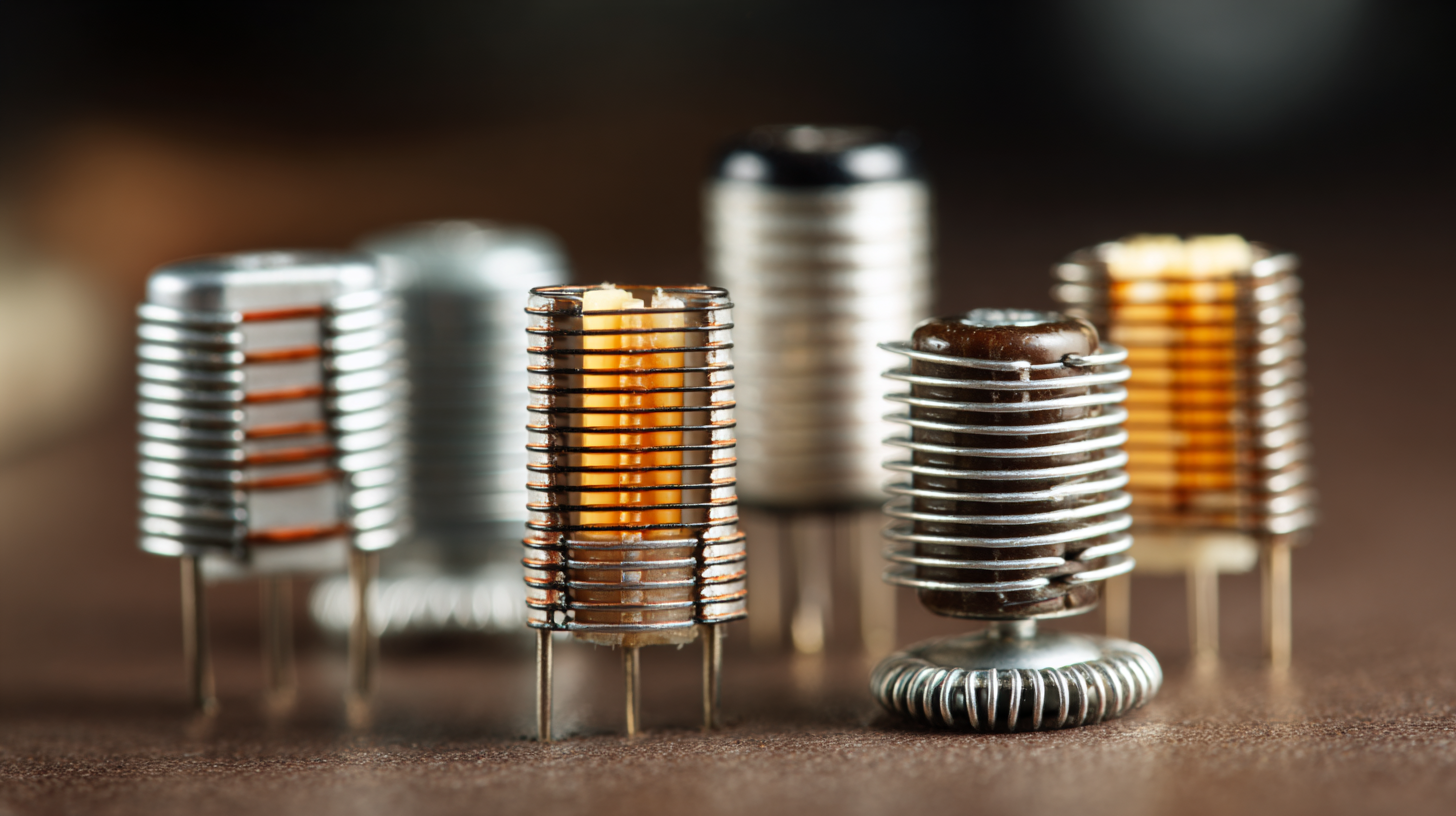
Then there are wirewound resistors—these are the heavy lifters when it comes to handling high power, especially in high-frequency applications. They’re pretty tough, making them ideal for electric vehicles and industrial gear. According to a report from ResearchAndMarkets, the market for wirewound resistors is forecasted to grow at about 5.6% annually, driven by the rising need for smart tech that can manage power efficiently. All in all, each type of resistor has its own strengths, so picking the right one really depends on what you need for your specific project.
Getting a good grip on the temperature coefficient of resistors is pretty important if you want your circuits to perform reliably in different conditions. As we’re heading into 2025, everyone’s gonna want more precision out of their electronics, which means resistors that stay stable even when things heat up or cool down are more crucial than ever. You might have heard about reactively sputtered tantalum nitride (TaN) thin films — they’ve become kinda of a go-to for high-precision chip resistors, mainly because they have this near-zero temperature coefficient. That means they behave more predictably, which is a huge win for anyone designing sensitive circuits where accuracy really matters.
When you’re picking out resistors, it’s super important to think about how temperature might mess with their performance. The materials used in resistors can change with temperature, and that can throw off your whole circuit if you’re not careful. So, a smart move is to consider the operating environment and pick resistors with the right temperature coefficient for those specific conditions.
A couple of tips to boost resistor performance? First, definitely check out options like tantalum nitride if your project needs to keep things stable even when temperatures swing around. And don’t forget about oxidation — it can seriously impact how long your resistor lasts and how reliable it is over time. By choosing resistors that are suited to the thermal environment and have good stability, you’re setting yourself up for a more reliable, everything-works-as-expected kind of circuit for the long haul.
In today's fast-changing tech world, the need for custom resistors has never been more important. Industries like automotive and telecom are always on the hunt for precision components that fit their specific needs. A recent report from Market Research Future predicts the global market for custom resistors will grow at about 5.6% annually between 2021 and 2027. That just shows how much demand there is for resistors tailored to particular applications. When you can customize them, engineers can boost device performance, cut down on power use, and make everything run smoother overall.
Plus, with gadgets getting smaller and more multifunctional, off-the-shelf resistors often just don’t cut it anymore. For example, a study from Grand View Research points out that the automotive industry alone will need super-precise resistors for advanced driver-assistance systems—stuff like automatic braking and lane keeping—which are expected to take over future vehicle electronics. By choosing custom resistor solutions, companies can make sure their products not only meet industry standards but also stand out in terms of performance and reliability. This way, they can keep up with customer expectations and stay competitive in the market.
: The emerging trends include a shift towards more sustainable and compact designs, driven by consumer demand for eco-friendliness alongside performance, and advancements in healthcare technology necessitating precise and durable resistors.
The healthcare industry is evolving with precision medicine and AI-driven diagnostics, requiring resistors that can operate reliably under complex conditions to support sophisticated medical devices.
Smart resistors enhance efficiency and performance by enabling precise control of electrical resistance, adapting functionality to varying conditions and improving energy management systems.
The smart resistor market is expected to grow from $2.5 billion in 2022 to $5.6 billion by 2027, representing a compound annual growth rate (CAGR) of 17.5%.
Smart resistors provide real-time data on resistance levels and monitor for faults, leading to reduced energy waste and enhanced device longevity, with potential energy savings of up to 30%.
Sustainability is a key driver, with manufacturers focusing on developing resistors that meet high performance standards while minimizing their ecological footprint, reflecting a wider movement towards sustainable practices in technology.
The demand for innovative resistor technology is increasing due to the predicted slowdown in global economic activity, leading to a greater need for efficient and environmentally friendly electronic components.
Consumers are increasingly prioritizing eco-friendliness alongside performance, pushing manufacturers to innovate and create more sustainable designs for resistors.
Advanced technologies will necessitate the development of more sophisticated resistors that can withstand complex operating conditions, particularly in sectors like healthcare and automotive.
The adoption of smart resistors helps manufacturers meet regulatory standards for energy efficiency and sustainability, responding to increased consumer demand for reliable electronic devices.