With the growing demand for cutting-edge technology, IC chips are more important than ever across a bunch of different industries. But if you’re shopping for them, it’s not just about how fast they work — you’ve also got to think about durability and whether they’ll play nicely with your existing stuff. Picking the right chip isn’t always straightforward. It’s kind of a balancing act.
Big names like Intel and Qualcomm definitely lead the charge, pushing innovation and setting the standards for the market. Still, for someone trying to buy, it can get pretty confusing — the options are endless, and it’s easy to get overwhelmed. It’s smart to look beyond just the specs; it pays to check out what kind of reputation the manufacturer has.
And let’s not forget about pricing — it’s pretty much a rollercoaster right now. Things like production costs and supply chain hiccups can make prices jump around. So, taking a balanced, well-researched approach is the way to go. Doing your homework and talking to industry pros can really help you get a clearer picture. Ultimately, if you stay informed and do your due diligence, you’ll be able to make smarter decisions when it comes to buying IC chips — simple as that.
2026 Global IC Chip Market Overview: Trends and Projections
The global IC chip market is evolving rapidly. Trends indicate a growing focus on high-performance components, such as Military Grade Chips. As technology demands increase, buyers should pay attention to durability and reliability. Manufacturers are now prioritizing chips that can withstand harsh conditions, making them essential for defense applications.
Projections for 2026 show an expanding market with competitive pricing. Buyers may face challenges in sourcing quality products that meet stringent requirements. It is important to evaluate suppliers deeply. Many players in the market claim to offer robust solutions, yet not all deliver. Therefore, vetting potential partners can save time and resources.
Moreover, emerging technologies pave the way for innovation. However, with innovation comes higher complexity. This complexity can lead to misunderstandings about product specifications. Buyers must clarify their needs and communication with suppliers upfront. Being discerning can help mitigate risks when selecting chips for critical applications.
Key Specifications to Consider for IC Chips in 2026
When considering IC chips for 2026, certain specifications stand out. Power efficiency is now paramount. Chips should manage energy consumption effectively while maintaining performance. Buyers must also assess clock speed. Higher speeds often translate to better performance, but power demand also rises. Balancing these factors is crucial for optimal operation.
Another key specification is the number of cores. Multi-core processors can handle tasks more efficiently. However, not all applications benefit from more cores. Understanding specific use cases will guide buyers in selecting the right configuration. Keep in mind the importance of compatibility with existing systems to avoid future headaches.
Thermal management is another often-overlooked aspect. Heat can impact chip performance significantly. Select chips that have good thermal designs to ensure longevity and reliability. Lastly, always consider the manufacturer's reputation. A trusted source often correlates with higher-quality products. Assess certifications and user reviews to gauge reliability.
Here are a few insights to keep in mind. Look for chips with robust support for future updates. Always remain cautious about hype; not all new features are essential. Lastly, engage with community forums for real-user feedback. This can reveal potential issues not addressed during initial marketing.
Top 5 IC Chip Manufacturers and Their Market Share
The IC chip market is dynamic and constantly evolving. For global buyers in 2026, understanding market trends is crucial. Five major manufacturers dominate the landscape. They hold significant market shares, influencing pricing and technology innovations. Each company has unique strengths, making it essential to analyze their offerings.
Look for suppliers with reliable production capabilities. Evaluate their historical performance and customer feedback. Not all manufacturers maintain consistent quality. Some may promise high performance but deliver average results. Buyers should focus on those with proven track records.
Another important aspect is supply chain reliability. Disruptions can impact availability and costs. Engage with manufacturers who demonstrate flexibility and resilience. Understanding their logistics helps mitigate risks. Ensure you consider the potential for delays and their impact on your plans. This foresight can save time and resources, leading to more strategic purchasing decisions.
Emerging Technologies Impacting IC Chip Design in 2026
In 2026, the world of Integrated Circuit (IC) chips will undergo significant transformations. Key emerging technologies will shape their design and functionality. For instance, artificial intelligence (AI) integration will enhance processing capabilities. Designers will focus on creating chips that can learn and adapt. This shift will require fresh approaches to architecture and energy efficiency.
Moreover, the rise of quantum computing will impact IC chip specifications. These chips will need to operate at unprecedented speeds and handle complex computations. The challenge lies in developing materials that can withstand quantum phenomena. This pursuit may lead to substantial advancements in Semiconductor materials.
As global buyers assess options, the importance of sustainability cannot be overstated. Many will prioritize chips produced with environmentally friendly practices. Ethical sourcing of materials plays a vital role in building trust. Designing chips with a smaller carbon footprint will become a priority for many manufacturers. The landscape of Electronic Ic Chips will evolve, but hurdles remain. Balancing performance, sustainability, and cost is crucial for success.
Sustainability and Eco-Friendly Practices in IC Chip Production
Sustainability is becoming essential in the production of IC chips. A growing number of manufacturers aim to minimize their environmental impact. Eco-friendly practices include using recyclable materials and reducing waste during production. Companies have started to adopt green technologies that align with sustainability goals. This shift not only helps the planet but also attracts conscious consumers.
Choosing the right IC chips, such as the 7400 Series Logic Chips, is crucial for environmentally-aware buyers. Look for certifications that indicate eco-friendly processes. Check if manufacturers are transparent about their sourcing and waste management. These factors reflect their commitment to sustainable practices.
Consider the lifecycle of the chips you choose. Assess their energy efficiency and potential for recycling. Engage with suppliers to understand their sustainability initiatives. Responsible sourcing can significantly reduce the ecological footprint of your electronics. Always seek chips that align with your values for a greener future.
Price Trends and Cost Factors Influencing IC Chip Purchases
Understanding the price trends and cost factors in IC chip purchases is crucial for global buyers. The semiconductor market is complex and often unpredictable. Recent events show how geopolitical issues can cause significant price fluctuations. For instance, tariffs or trade restrictions can lead to sudden increases in costs. Buyers should closely follow these market signals.
When considering IC chips like the TJA1042 CAN IC Chips, it is essential to analyze various cost drivers. Materials, production processes, and even logistics play a vital role in pricing. For example, shortages in raw materials can inflate prices, while innovations in manufacturing might reduce them. It’s important to stay informed about these dynamics to make informed decisions.
Buyers often overlook the impact of supplier relationships. Strong ties can help mitigate costs and ensure reliable supply. However, dependency on a single supplier can pose risks. Diversifying sources might enhance resilience against price spikes. Being aware of these intricacies is essential for making smart purchasing choices in the evolving tech landscape.
Future Applications of IC Chips in Various Industries
The future applications of integrated circuit (IC) chips are diverse and exciting. These tiny components are set to revolutionize industries such as healthcare, automotive, and consumer electronics. In healthcare, IC chips can monitor vital signs through wearable devices. This technology not only provides real-time health data but can also predict potential health issues. The accuracy of these chips is crucial, as users rely on them for timely insights.
In automotive, IC chips enable advanced driver-assistance systems. These systems improve safety and efficiency on the roads. However, the complexity of these chips can lead to challenges during implementation. Manufacturers must ensure that they meet strict safety standards. Consumer electronics will see smarter devices thanks to IC chips. From AI-driven appliances to enhanced gaming experiences, users will expect seamless integration. Yet, as demand grows, supply chains may face hurdles that impact availability.
While the potential is vast, there are limitations to consider. Increasing chip complexity may lead to higher costs. This could slow down innovation in smaller tech firms. Buyers should keep an eye on these trends when looking for new IC chip solutions. Awareness of the balance between innovation and affordability is essential in this rapidly evolving landscape.
Leveraging the STM32F429IGT6 Microcontroller for Innovative Embedded Applications
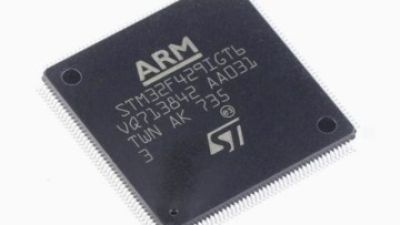
The STM32F429IGT6 microcontroller stands out as a versatile solution for a wide range of innovative embedded applications. With its powerful 32-bit architecture and 1MB flash Memory, this microcontroller offers ample resources for developers seeking to push the boundaries of embedded systems. Its 176-pin LQFP package facilitates easy integration into diverse projects, making it an ideal choice for both hobbyists and professionals alike.
At the heart of the STM32F429IGT6's appeal is its blend of high performance and efficiency. The microcontroller is equipped with advanced peripherals and interfaces, enabling seamless connectivity and interaction with various Sensors and devices. This opens the door to developing sophisticated applications in areas such as IoT, industrial automation, and consumer electronics. The robust processing capabilities allow users to implement complex algorithms and real-time data processing, crucial for many modern embedded solutions.
Moreover, the extensive development ecosystem surrounding the STM32F429IGT6 enhances productivity and accelerates project timelines. Developers can leverage comprehensive software libraries, development tools, and community support to bring their ideas to fruition quickly. This synergy between hardware capabilities and supportive resources positions the STM32F429IGT6 as a powerful catalyst for innovation in the embedded application landscape.
FAQS
: Buyers should evaluate production capabilities and historical performance. Consistent quality is vital.
Disruptions can lead to delays and increased costs. Engaging flexible manufacturers is essential.
AI enhances processing capabilities, allowing chips to learn and adapt. This leads to innovative design approaches.
Quantum computing requires higher speeds and complex computations. New materials must withstand quantum phenomena.
Many manufacturers aim to reduce environmental impacts. Practices include using recyclable materials and minimizing waste.
Seek certifications for eco-friendly processes. Transparency in sourcing and waste management is crucial.
Assess energy efficiency and recycling potential. Responsible sourcing minimizes ecological footprints.
Emerging technologies like AI and quantum computing will drive design innovations, affecting performance.
Sustainable practices attract conscious consumers and help mitigate environmental impacts.
They must balance performance, sustainability, and cost to meet evolving market demands.
Conclusion
The article "2026 Top IC Chips for Global Buyers: What to Look For?" explores the evolving landscape of the integrated circuit (IC) chip market, highlighting key trends and projections for the coming years. It emphasizes the importance of understanding essential specifications when selecting IC chips, as well as identifying leading manufacturers and their market shares. The piece also discusses the impact of emerging technologies on IC chip design and stresses the significance of sustainability and eco-friendly practices in the production process.
Furthermore, the article examines price trends and cost factors that influence IC chip purchases, providing insights into future applications across various industries. As IC chips continue to drive innovation and efficiency in technology, staying informed about these trends will be crucial for global buyers looking to make informed decisions in 2026 and beyond.